
Cycling along a six-lane thoroughfare in rush-hour traffic is no time for urban observation. Nevertheless, with Shinjuku-dōri once part of my daily bicycle commute, certain details of the route’s scenery became familiar. Observations from the saddle tend to arise through repeated exposure rather than deliberate attention.
On this stretch, I would frequently pass a pair of arched lampposts marking a side street, then another pair a little further along. Gateways like these in Tokyo often indicate a pocket of activity set back from the main road. More often than not, that means a shopping street, sometimes connected to a cluster of restaurants and bars embedded within the block. I had registered these two gateways too many times not to wonder what lay beyond.
On a recent trip back to the city, I finally set aside an afternoon to pursue my curiosity. Before setting out, I conducted some cursory research. North of Shinjuku-dōri’s curtain, it turns out, lies one of Tokyo’s most complete examples of a suribachi (すり鉢), a bowl-shaped hollow whose surrounding slopes converge on a common centre. It once formed part of the Edo-period upper residence of the Matsudaira family, lords of the Takasu Domain, who maintained a landscaped garden around spring-fed ponds and a waterfall.
After the abolition of the domains in the early Meiji period, the former estate grounds were opened and gained popularity for their pond, waterfall, teahouses, and boating. In time, the area developed into a hanamachi, or geisha district. The neighbourhood that emerged from this layered history became known as Arakichō (荒木町) and is today a destination for urban topography enthusiasts.
The contours of the land are best seen in daylight, whereas the hanamachi air is best taken in at night. I decided to incorporate both in the walk and witness the transition from one to the other. From late on a Saturday afternoon, then, let’s begin.
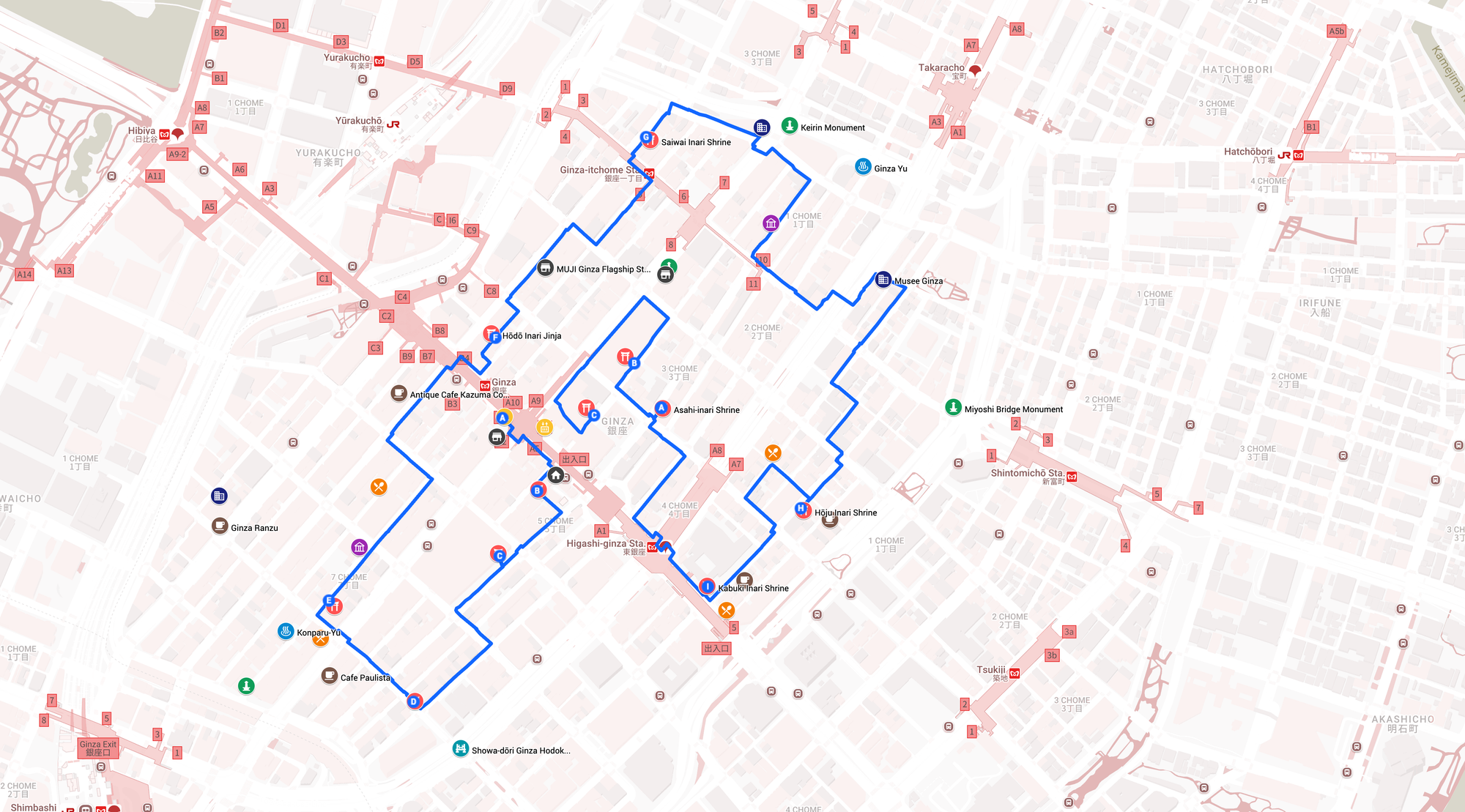
This week’s newsletter is part of Deep Cuts, our new series of member-only guides. Join to continue reading and access the accompanying digital map, complete with route and milestones.
Memberships are also how we aim to make Tokyothèque sustainable in the long term: keeping the weekly newsletter free while supporting future printed books.
So whether the newsletter brings you inspiration, information, or simply a moment’s solace each weekend, consider becoming a member to help us keep building.
Until we meet in Arakichō,
AJ
This is a members-only post
Join now to finish reading and access the full Tokyothèque archive.