
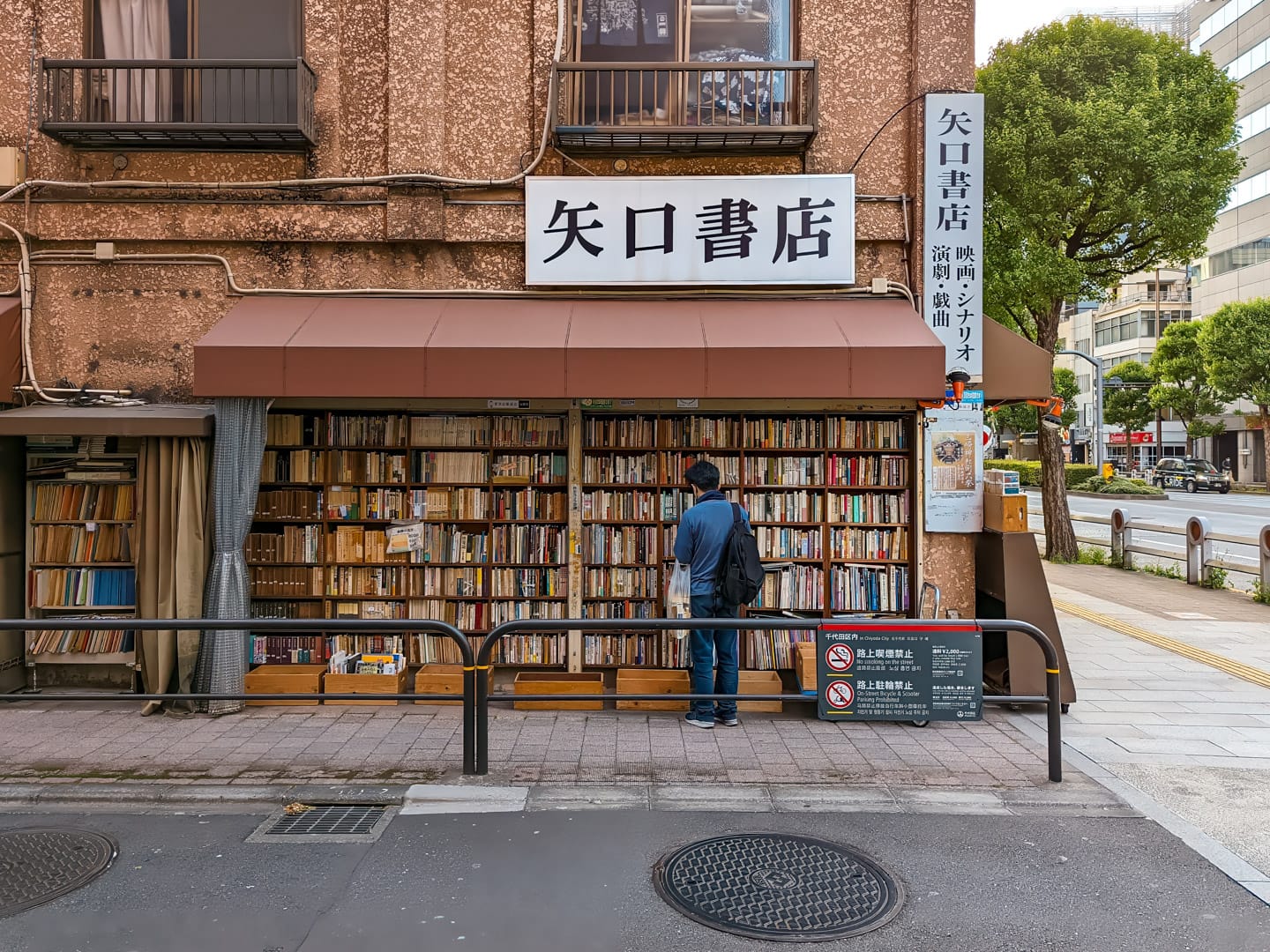
Seated on a Tokyo Metro train, Maki Horikita gazes out the window, her thoughts drifting. "Lately, I’ve been absorbed in reading," she reflects. Stepping off the train into the autumn air, she meanders past antiquarian bookshops, their outdoor shelves filled with titles.
One shop, in particular, draws her inside. She ascends to the second floor, where shelves overflow with secondhand books. Below, the shopkeeper observes her. "Excuse me, do you have any recommendations?" she asks. He smiles, offering not a title but a piece of advice: "Trust your sense of smell."
It is a suggestion that likely resonates with anyone who has noticed how every book seems to carry its own scent—an alchemy of paper, ink, adhesives, and binding materials, each aging in its own way. Where a book has lived—a damp basement, a sunlit shelf, or a well-ventilated library—imprints itself upon the fragrance. Over time, human touch leaves its mark: skin oils, perfumes, or perhaps traces of food or drink.
Books that have passed through many hands seem to develop a richer, more intricate olfactory signature than those left untouched. If a book’s quality can be inferred from the frequency of its readings over the years, then perhaps scent, too, has a place in the selection process of an antiquarian bookshop.
Sure enough, Maki’s senses draw her to a particular volume. With her purchase in hand, she makes her way to a nearby restaurant. A steaming plate of curry rice arrives as she settles into a corner, enveloped by the nostalgic furnishings of the Shōwa Era—red leather banquettes, dark wood paneling, and soft, ambient lighting filtered through well-worn lampshades.
As Maki makes her way home, she wanders through a pocket park, noting the air perfumed with kinmokusei—fragrant orange osmanthus—before boarding the Tokyo Metro once more. She settles into her seat, absorbed in her book, which has turned out to be an undeniable page-turner. And so concludes a vignette from Color Your Days, a series of Tokyo Metro commercials inspired by the palette of the city’s subway lines.
In each ad, actress Horikita arrives at a different station, embarking on a new local experience. The edition I recall seeing around 2012 had her alighting at Jimbōchō station. I like to think of myself as largely immune to the sway of television ads—or perhaps I’m just seldom the intended audience—but the evocative shots of wandering through second-hand bookshops and savouring curry rice in a kissaten-style setting were an undeniable bullseye. The next day, I tapped my Pasmo at the nearest Tokyo Metro gate and set off for Jimbōchō.
This is a members-only post
Join now to finish reading and access the full Tokyothèque archive.