
Viewed from above on a hazy day, the Tokyo skyline might be described as lacking colour. Buildings clad in muted tones and glazed façades reflecting the overcast city sky form a baseline palette of greys. Infrastructural concrete and metals concur. Even on clear afternoons, when the sun casts warmer light across the city, the urban field only just shifts into beige.
Research suggests this view is widely held. The specialty chemicals company Lanxess, which supplies pigments and additives for the built environment, surveyed over 1,000 Tokyo residents, finding that 60% perceive the city as grey. Black and white followed, with colour appearing only marginally in responses naming blue.
But what we call ‘grey’ is less a colour than a condition in which no single hue asserts itself. It appears where many tones are present but none dominates—where surfaces scatter light without allowing any one wavelength to prevail. A similar flattening occurs when a city like Tokyo is perceived as grey.
Over time, I’ve photographed a collection of cladding from ordinary Tokyo apartment and office buildings. Take these representative samples:
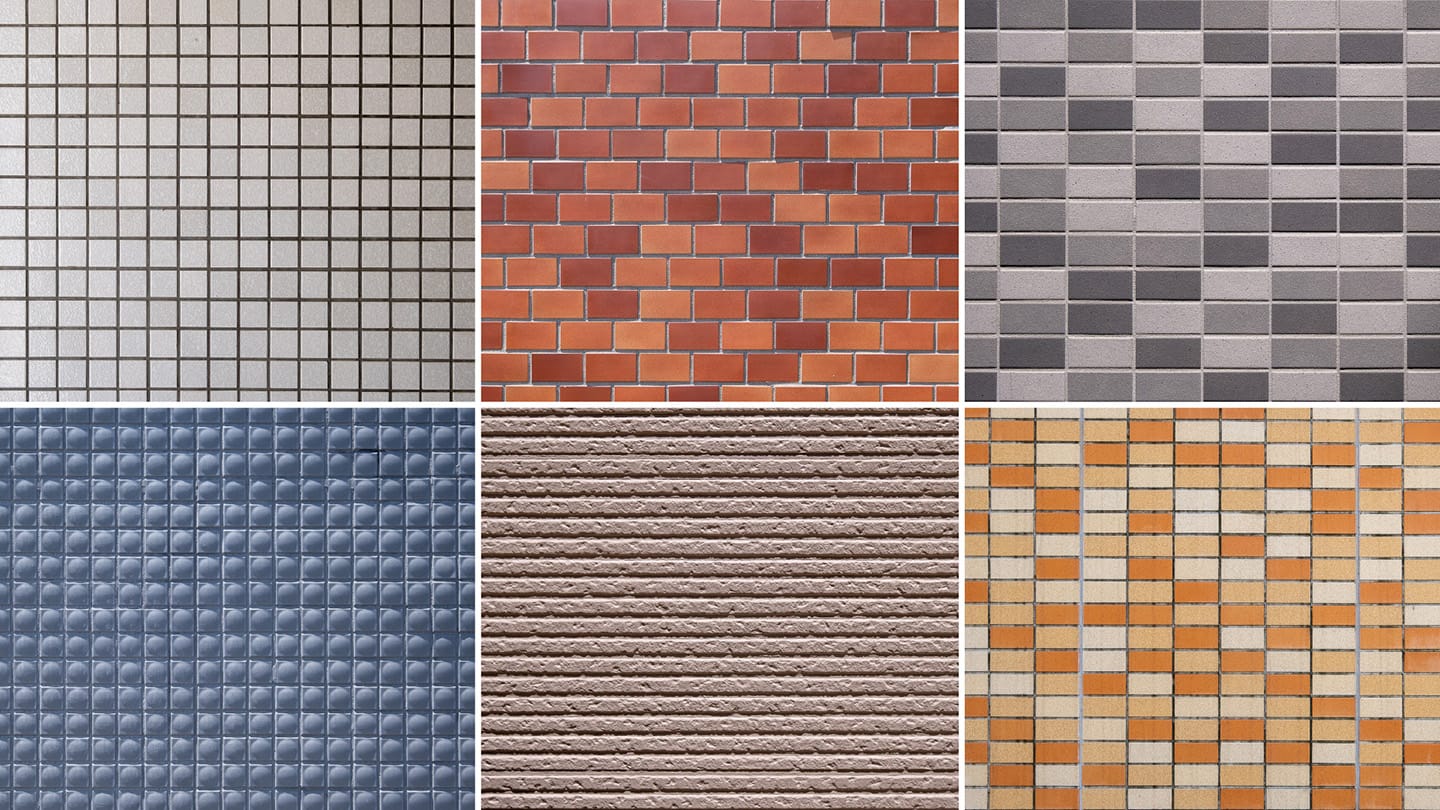
There is little true grey amongst them, but with a slight squint, the image held by 60% of respondents becomes understandable. Still, even if these surface materials, taken together from a distance, seem to support it, I do not perceive the city as a bland, indistinguishable mass. To me, Tokyo is anything but grey.
This is a members-only post
Join now to finish reading and access the full Tokyothèque archive.