
First Light: Day Five
Owning a business allows for few true days off. It’s understandable, then, that independent shops close on national holidays—especially today, Keirō no Hi, Respect for the Aged Day, when many of Japan’s small eateries and stores are run by people well past retirement age.
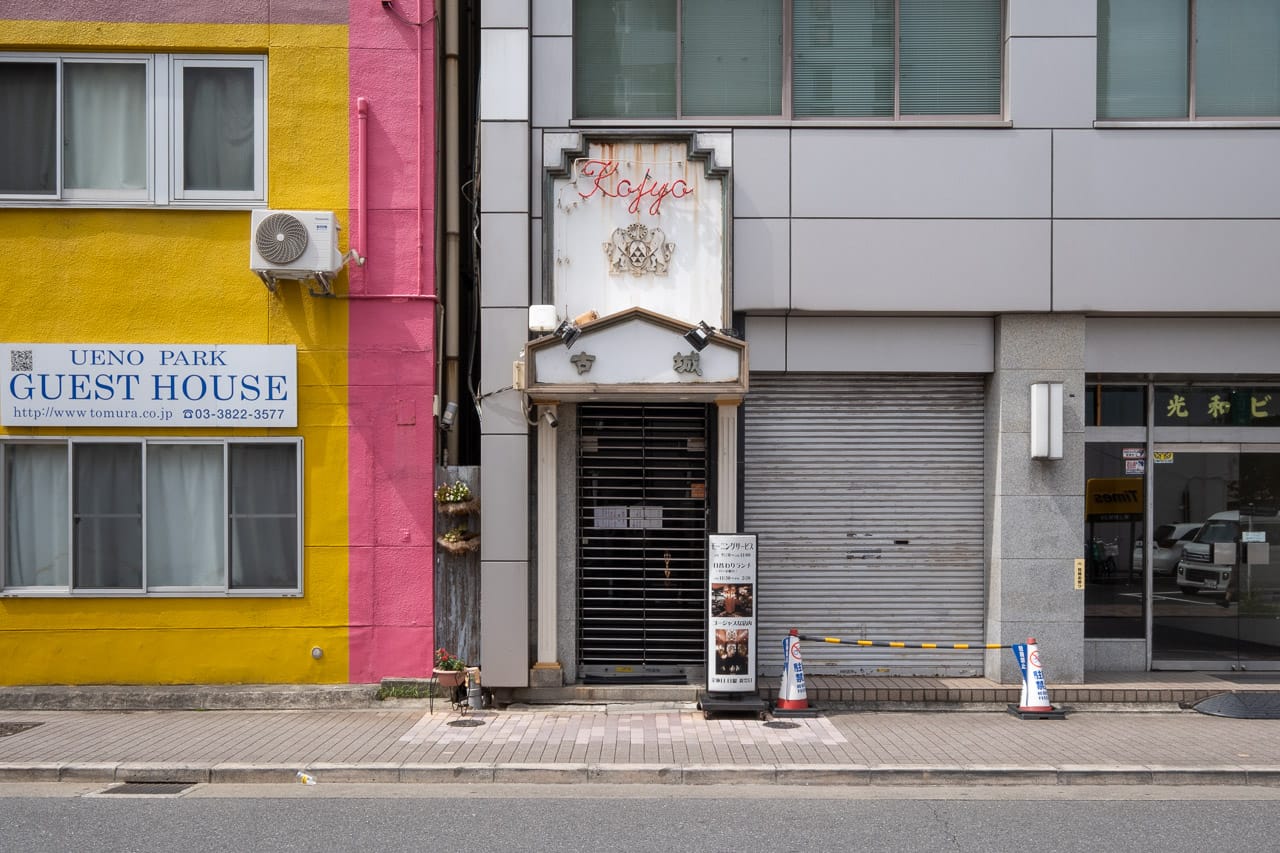
The same holds for kissaten. My planned stop in Higashi Ueno was closed, so I came to Coffee Shop Galant, an old-school kissa across the intersection in the main part of Ueno. The room is wide and theatrical, featuring faux red brick and marble, burgundy vinyl banquettes, and electric candle chandeliers and candelabras throughout.
A queue formed at the door; the patrons were primarily young, well-dressed Japanese individuals, mostly in groups or pairs. It should be possible to draw some of these retro seekers away from guidebook favourites and toward the city’s many equally nostalgic but overlooked kissa. Among that crowd, I wonder if young entrepreneurs might recognise the real business opportunity in taking over these cafés from ageing owners, as Galant’s brisk trade makes clear.
Morning Routine
I’m drafting the newsletter again the following morning. Starting the day with a solid stretch of writing, before almost anything else, matches my home rhythm more closely. Perhaps I’m reverting to habit; I check out of the shitamachi today, and my body may already sense it. Even so, I plan to carry forward some of this week’s clockwork routine. Keeping pace with the sun has been both steadying and productive.
Neighbourhood Walk
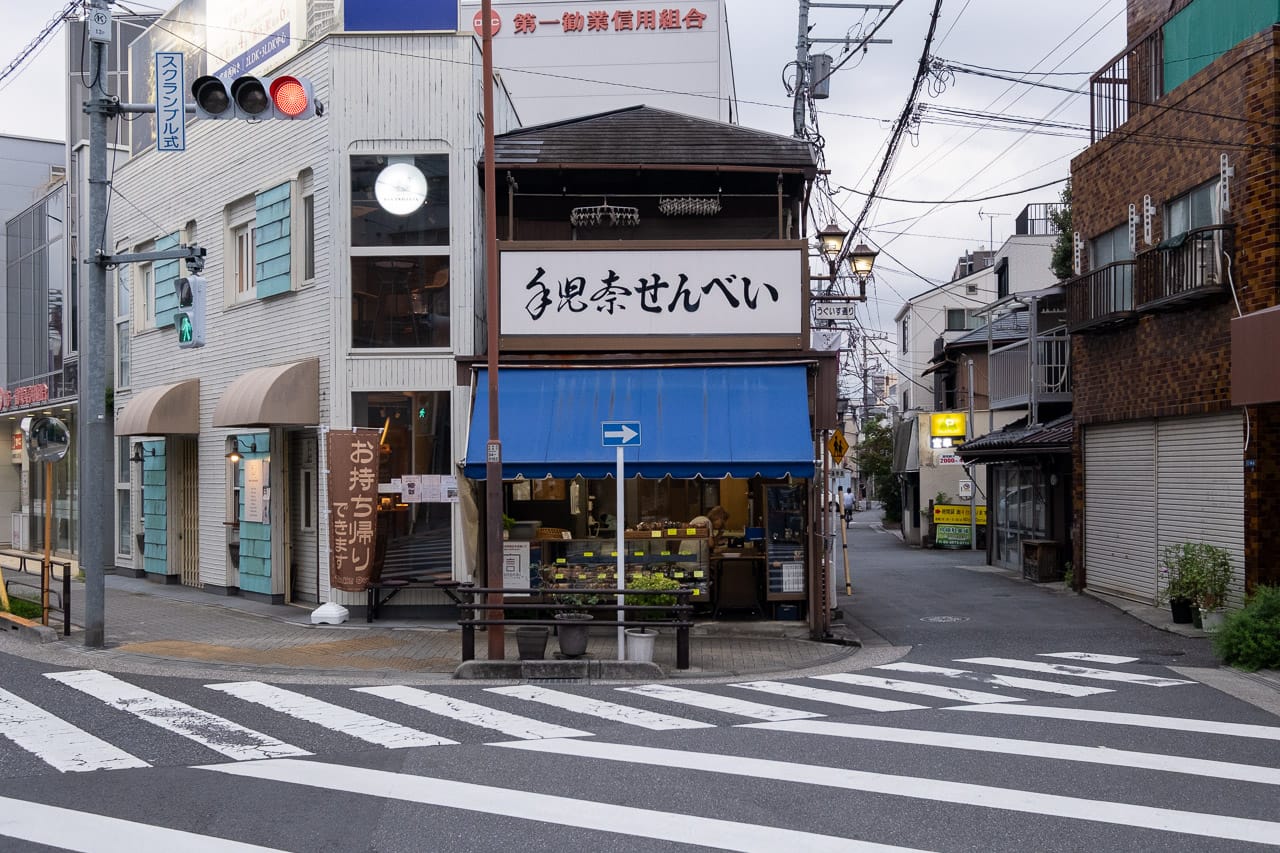
Over the past week, I’ve noticed that Taitō-ku seems to regard itself, with some pride, as the heart of the shitamachi. I couldn’t leave without a pass through its main transport hub, Ueno. Today, the district is defined by Ueno Park’s museums and the crush of Ameya-Yokochō—standard stops after Asakusa on most itineraries. Yet unlike Asakusa, which formed around a single temple precinct, Ueno overlays a centuries-old sacred landscape with the churn of rail lines, the din of highways and crossings, and a sprawl of surrounding alleyways.
In 1625, the Tokugawa shogunate built Kan’ei-ji on the rise above Shinobazu Pond as a guardian temple for Edo Castle, giving the area a religious and recreational role. After the Boshin War left the temple in ruins, the Meiji government established Ueno Park in 1873, adding Japan’s first public museum and, later, the zoo. Commerce followed: Ueno Station opened in 1883 as the terminus of the Tōhoku Main Line. Rail links and new roads made the district a northern gateway to Tokyo. Markets, hotels, and theatres clustered by the station, and after the war, Ameya-Yokochō grew into the hectic bazaar known today.
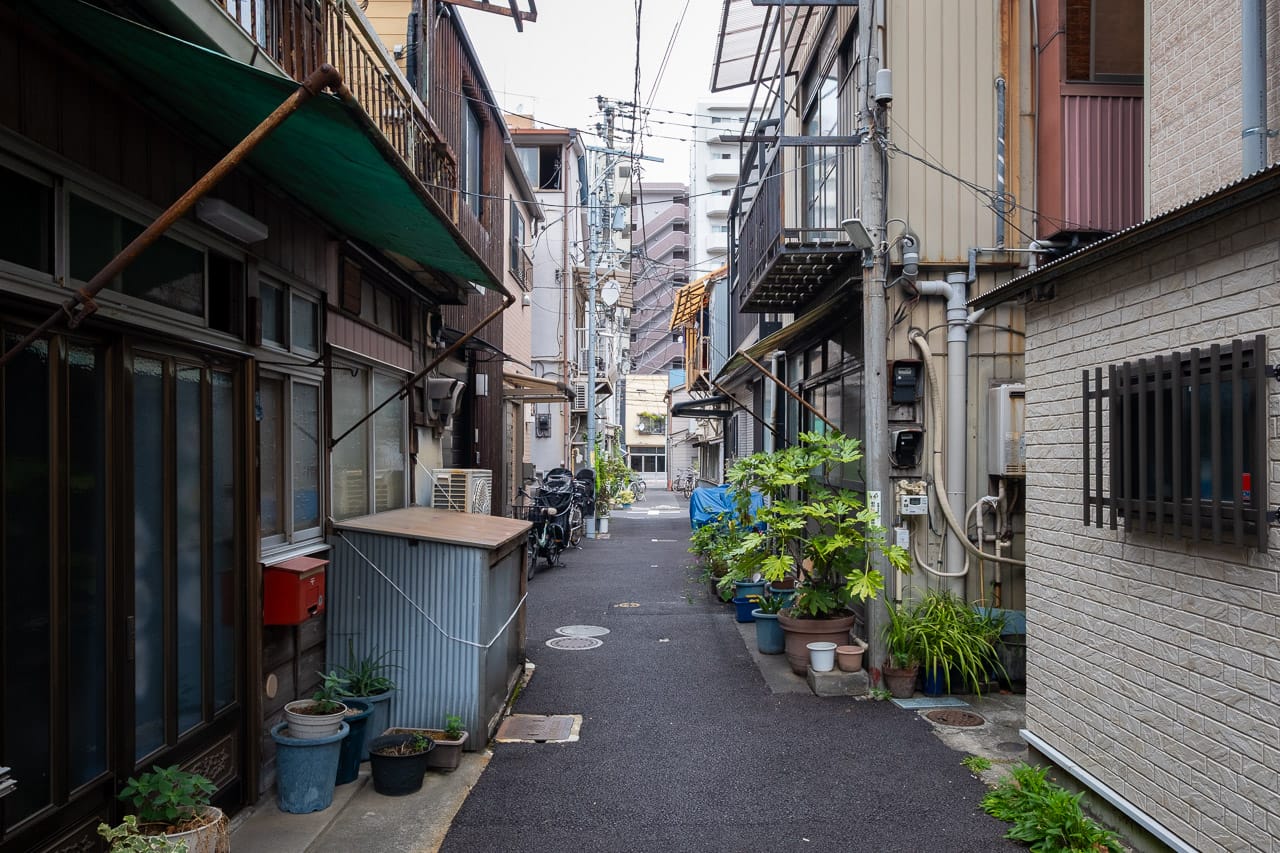
I started in Higashi-Ueno, east of the Shuto Expressway’s Ueno line, while Ueno proper and its park lie to the west. The highway and the underlying main road form a sharp divide: the east side is unexpectedly quiet, making for a true neighbourhood walk. After crossing for coffee at Galant, I drifted through Ueno’s lower 1-, 2-, and 3-chōme, centred on Okachimachi Station, where the atmosphere softens the buzz of Ameya-Yokochō. From there, I climbed through the park to Kita-Ueno and Negishi, via Uguisudani Station.
Waves of national transit—and of tourism—radiate from Ueno Station through the district’s historic layers and into the surrounding machi, forming a dense circuit of alleys and corners. It’s a tangle worth another visit before I can assemble a complete guide. This will be one for devoted urban explorers.
MiniDisc Interval
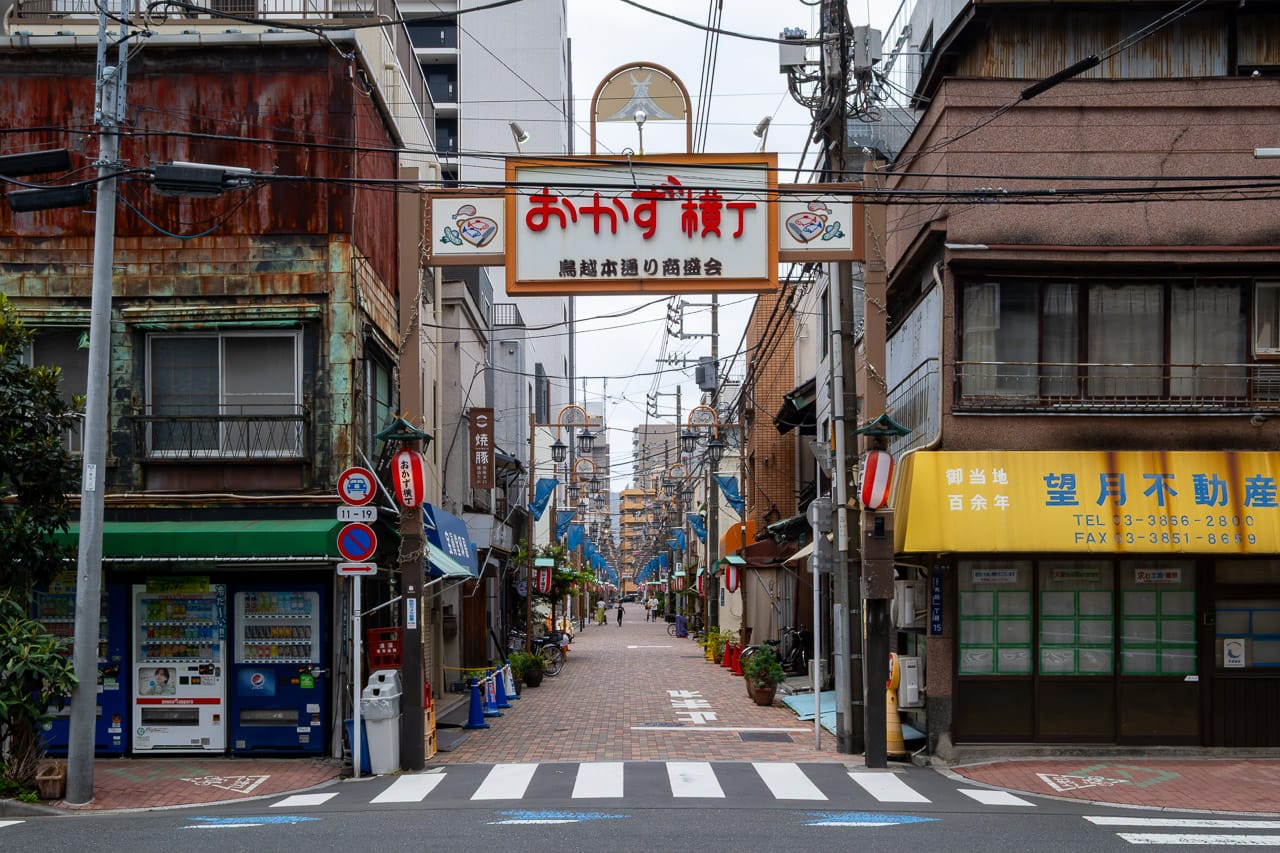
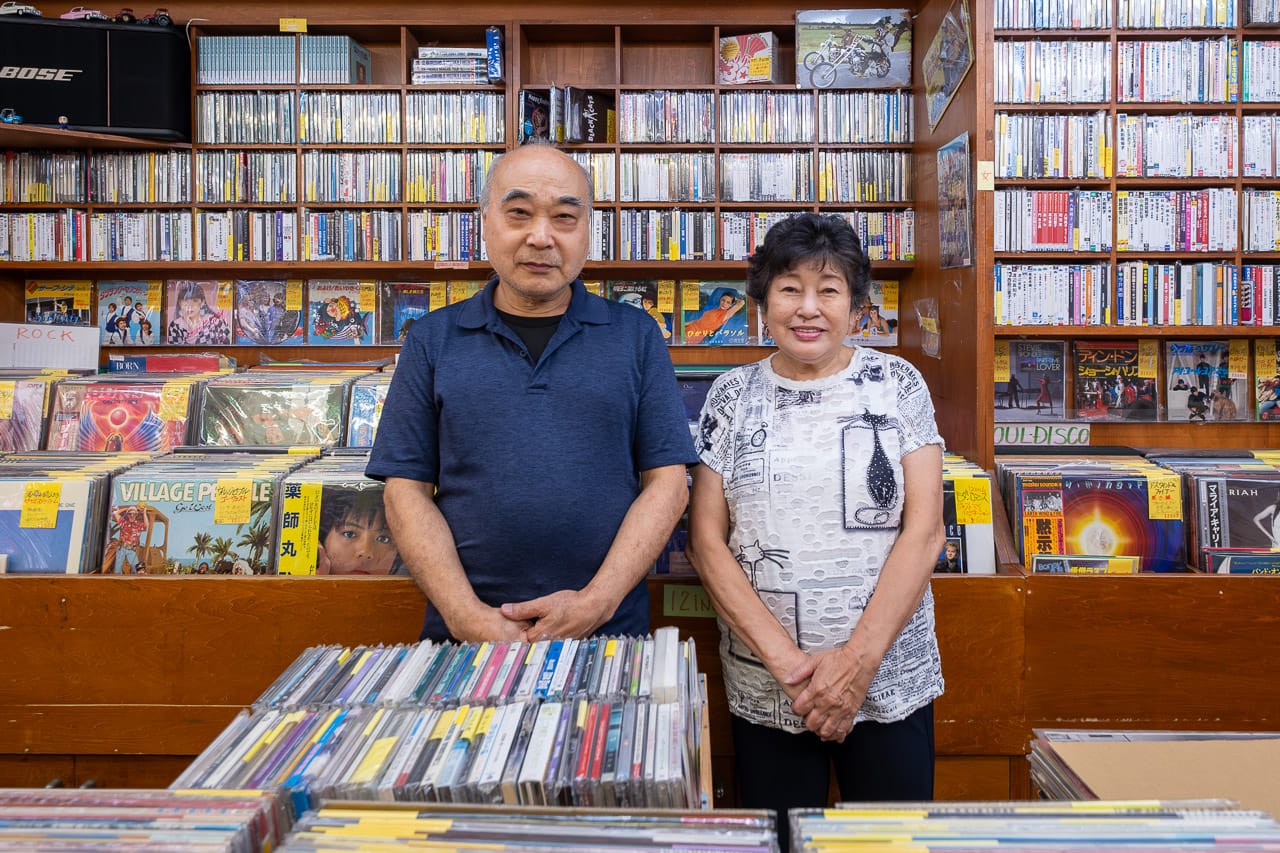
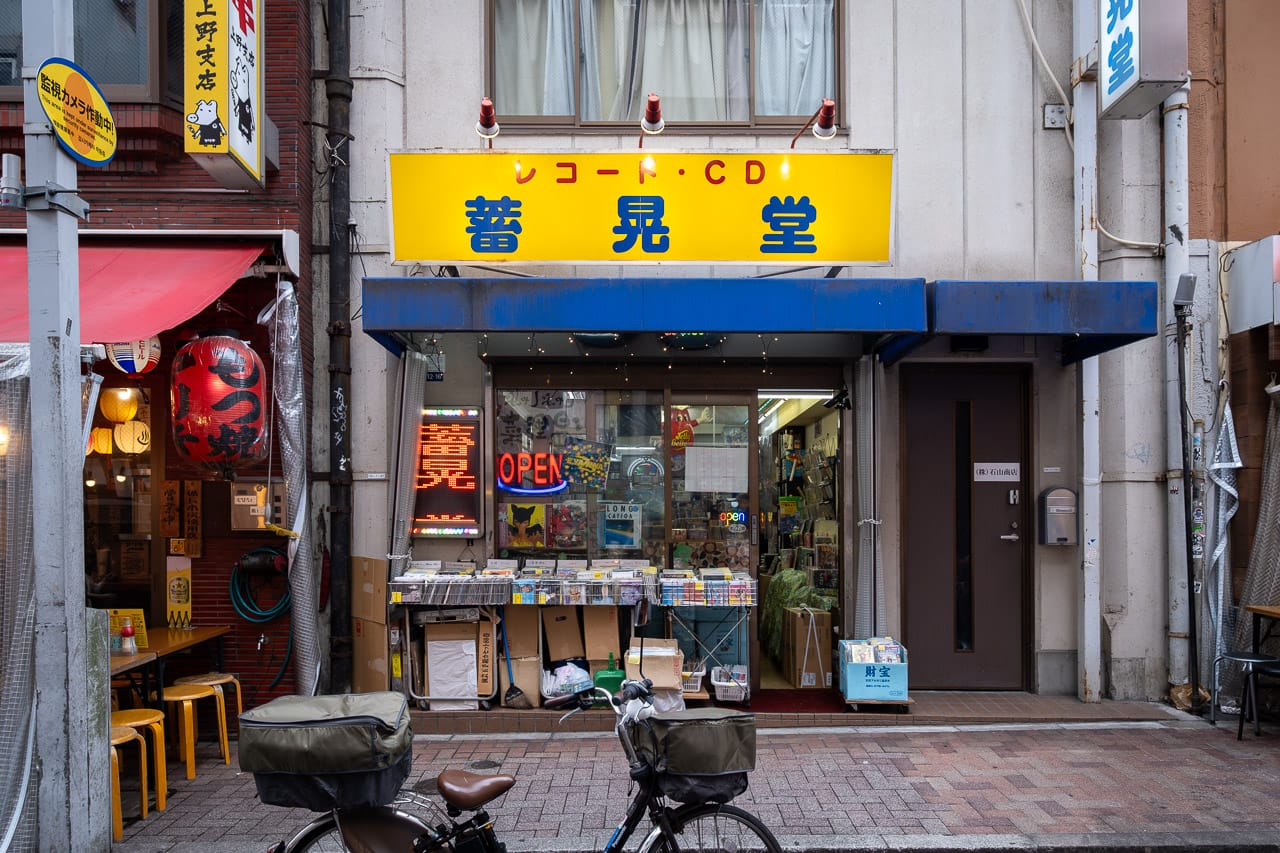
I couldn’t resist entering the inner lanes and shopping streets of Ueno 4- and 6-chōme. When I do so, I always make a few stops. Chief among them is Chikkōdō, a record shop stacked with city pop, idol pop, and enka on spotless vinyl and CDs. A box of MiniDiscs even sits by the door, so I bought a few for ¥300 each. Shopkeeper Mr. Obata informs me that the shop has been in operation for seventy years. Meanwhile, the tones of Tatsuro Yamashita drift over the tight space, luring the occasional young tourist into a brief record collector’s detour from the crowded streets outside.
Sentō Time
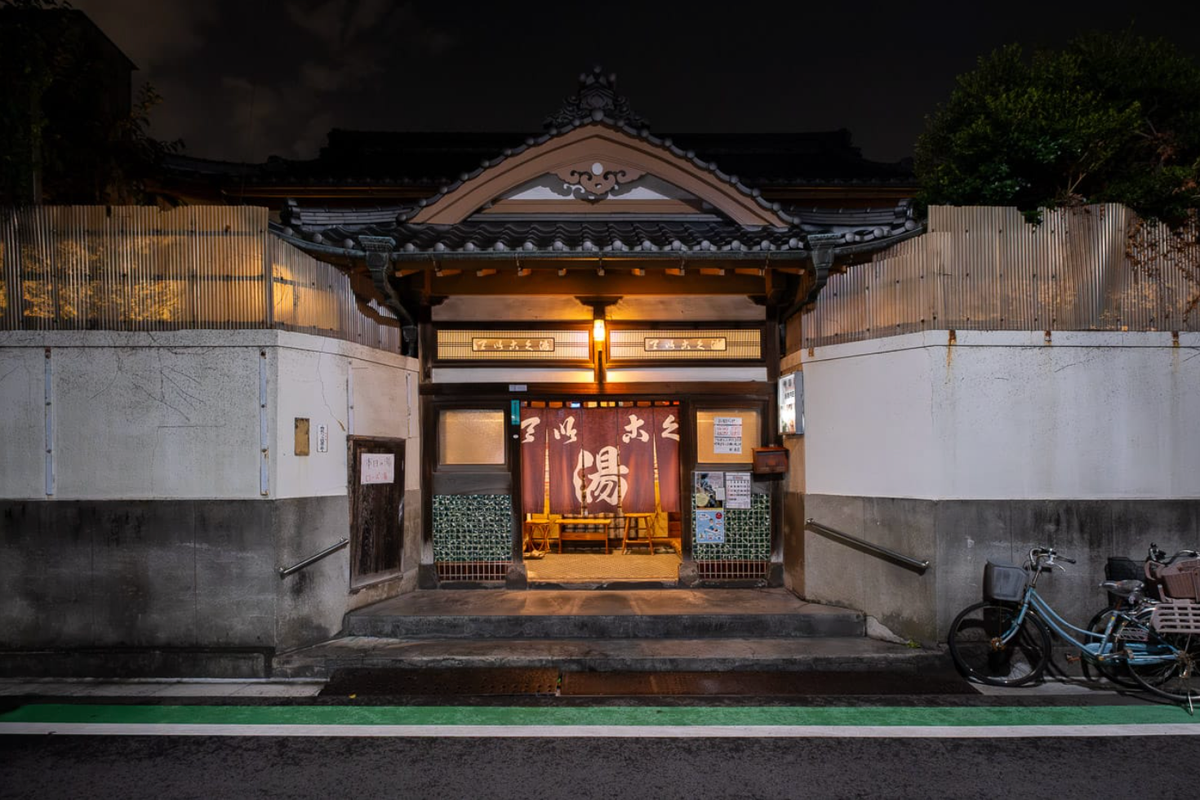
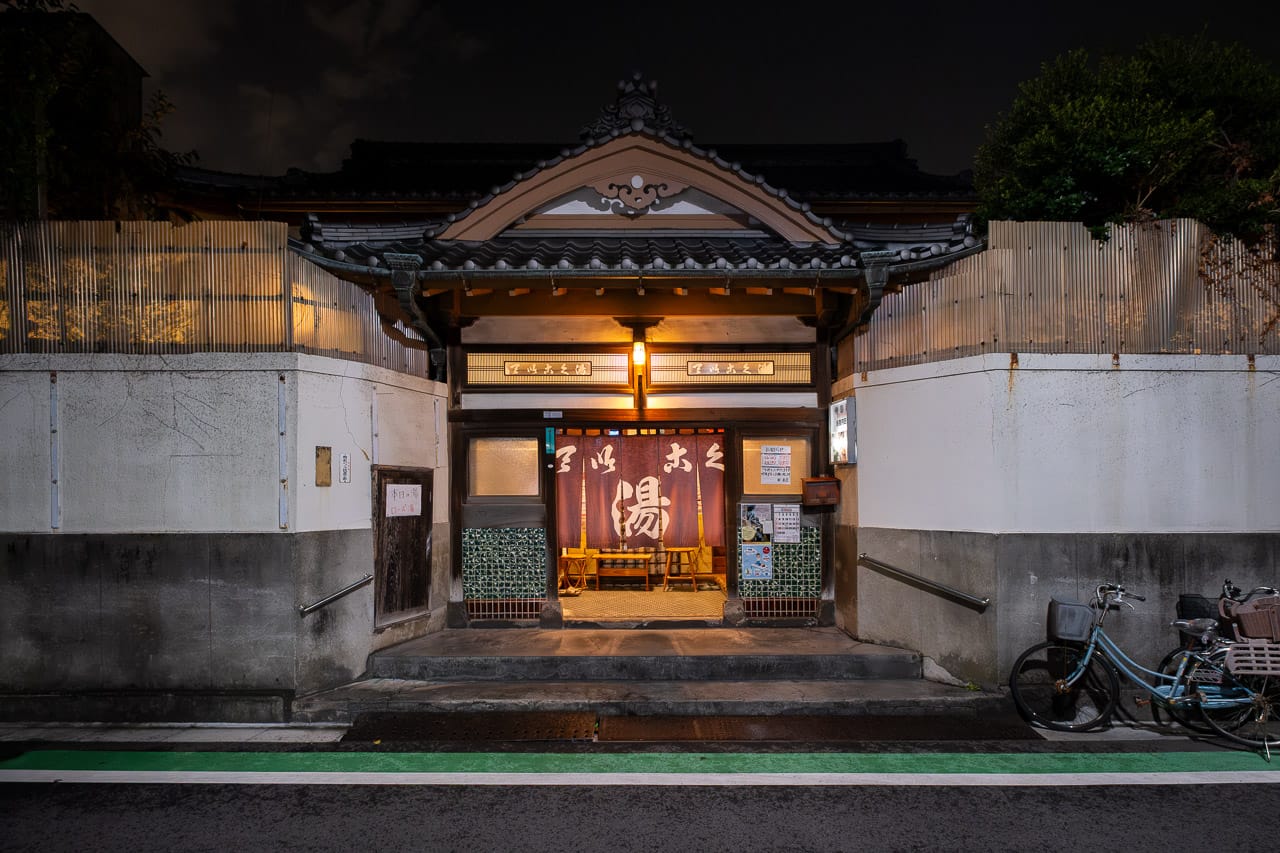
I returned to Teikoku-yu, open at last, to experience the 120-year-old sento’s wood-fired baths. Its layout matches Unsuisen from Day 3—unabashedly old-school, with no plan to modernise, not even for an air conditioner. Beyond the baths lies a rickety outdoor engawa, furnished with benches and katori-senkō for cooling off, while koi drift in the pond below.
And then there’s the water. Unsuisen felt intense, but this is another level. Apart from a wild hot spring in the Nagano mountains, I’ve never bathed in hotter water. A local on the engawa told me it isn’t always this fierce. If you visit this storied sentō , consider whether you can enjoy water above 44 °C—the attendant mentioned it might be as high as 45 °C. One young man managed only a shin-deep dip before retreating to the kusuri-yu, the mild “medicine bath,” surely a let-down of a visit.
In the changing room, I met Mr. Ishida again. He told me he works a regular office job, as do most of those keeping Teikoku-yu running—a collaboration between two families. His father had been taken to the hospital the day I first tried to visit, which explained the closure. It’s a reminder that everyone carries more than we see, bright smile or not. As we looked out over the baths, we agreed that, however complex life becomes, a soak in the yu restores a plain simplicity, if only for the span of Sentō Time.
Sleep Hygiene
On my last night in the shitamachi, I slept deeply. The alchemy of early rising, long walks, and a final bath seems to create the ideal conditions for rest. This closes the second series of Field Notes—the shitamachi’s layers can’t be uncovered in one stay, and the cadence of a well-lived life takes longer to settle, but I’ve learned much about each. For now, I look forward to weekly writing and keeping pace with the rising sun.
Until we meet by the banks of the Sumida,
AJ