
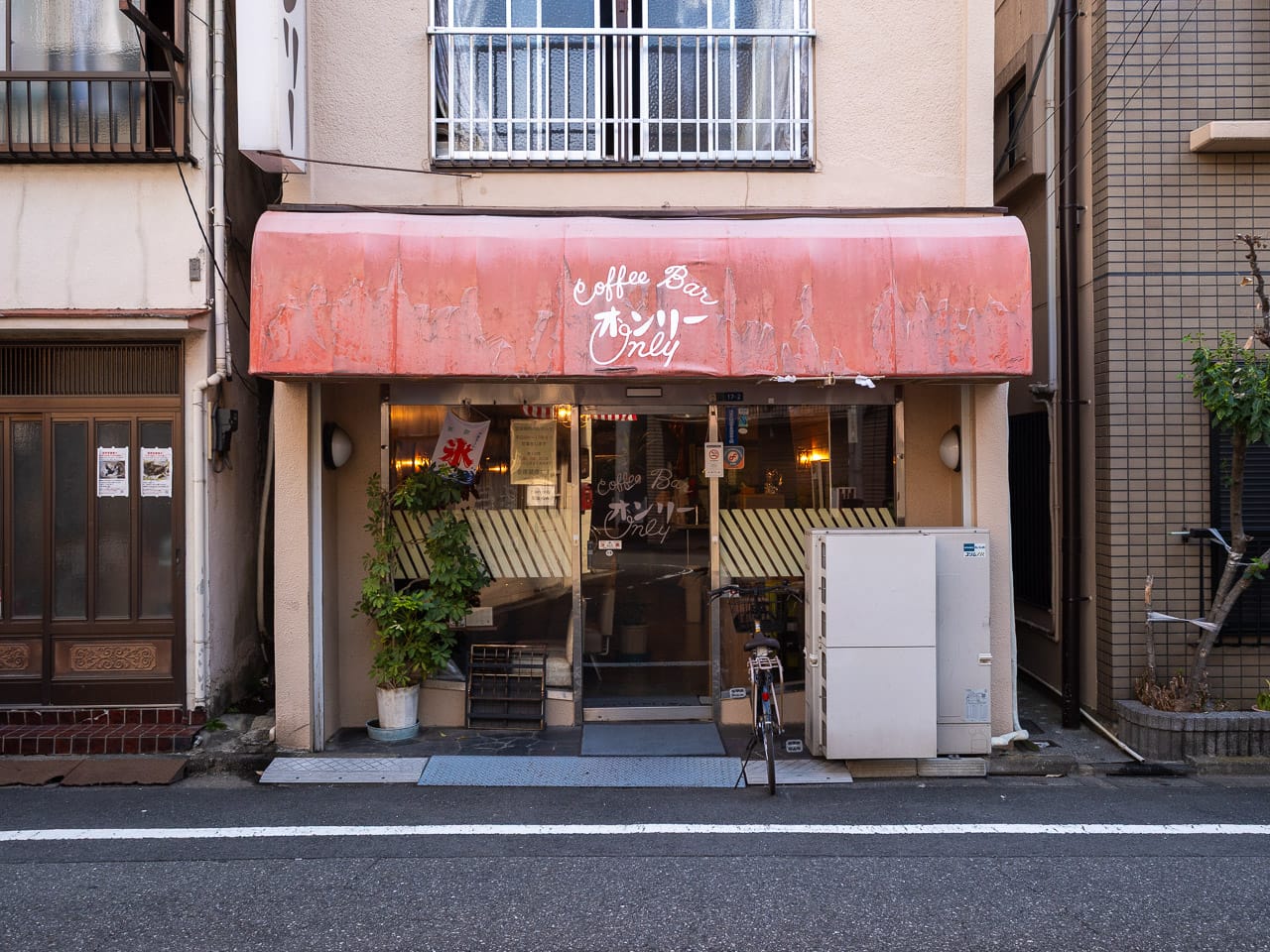
I’ve paused at a surprisingly lively kissaten named Only on the backstreets of north Asakusa to draft today’s morning pages. Moments ago, a man walked in, left exact change for his coffee and toast on the till, took a seat, and was served without a word—true locality.
Other locals—vociferous senior residents—manoeuvre in and out, parking mobility scooters outside or sliding zimmer frames into gaps between tables. Among them stand a few wheeled suitcases and a baby stroller, belongings of non-Japanese patrons likely staying at hotels near Sensō-ji.
It is quite the kerfuffle, but a spirited matron manages it cheerfully, as her husband behind the counter keeps the siphon coffee circulating. I rarely take my tablet out in a kissa to write, but the mood here signals “anything goes.” Let's begin.
Morning Routine
Today required no prompting to meet my goal of catching first light. Jet lag woke me at 2:54 a.m., two hours early, leaving time to organise my room and luggage. Order keeps my mind clear when travelling, especially in Japan—and more so in Tokyo, where hotel rooms are notably compact. A 120-square-foot space tidies quickly, but it unravels just as fast.
Investing a little time at the start to impose order pays off. Evenings promise spare moments for sorting, yet after a day in the city, the will to tidy rarely survives. Soon enough, the trip is nearly over, and the room is a mess. To avoid this, I devised a system to fit the space: clothes rotate between the suitcase, the few hangers, and the laundry bag; cables, chargers, and adapters gather at a single station; other zones emerge for shifting categories like shopping or receipts.
Feeling somewhat more put together, I meditated for fifteen minutes, spent an hour mapping out my route for the day, and stepped out to catch the sunrise.
Neighbourhood Walk
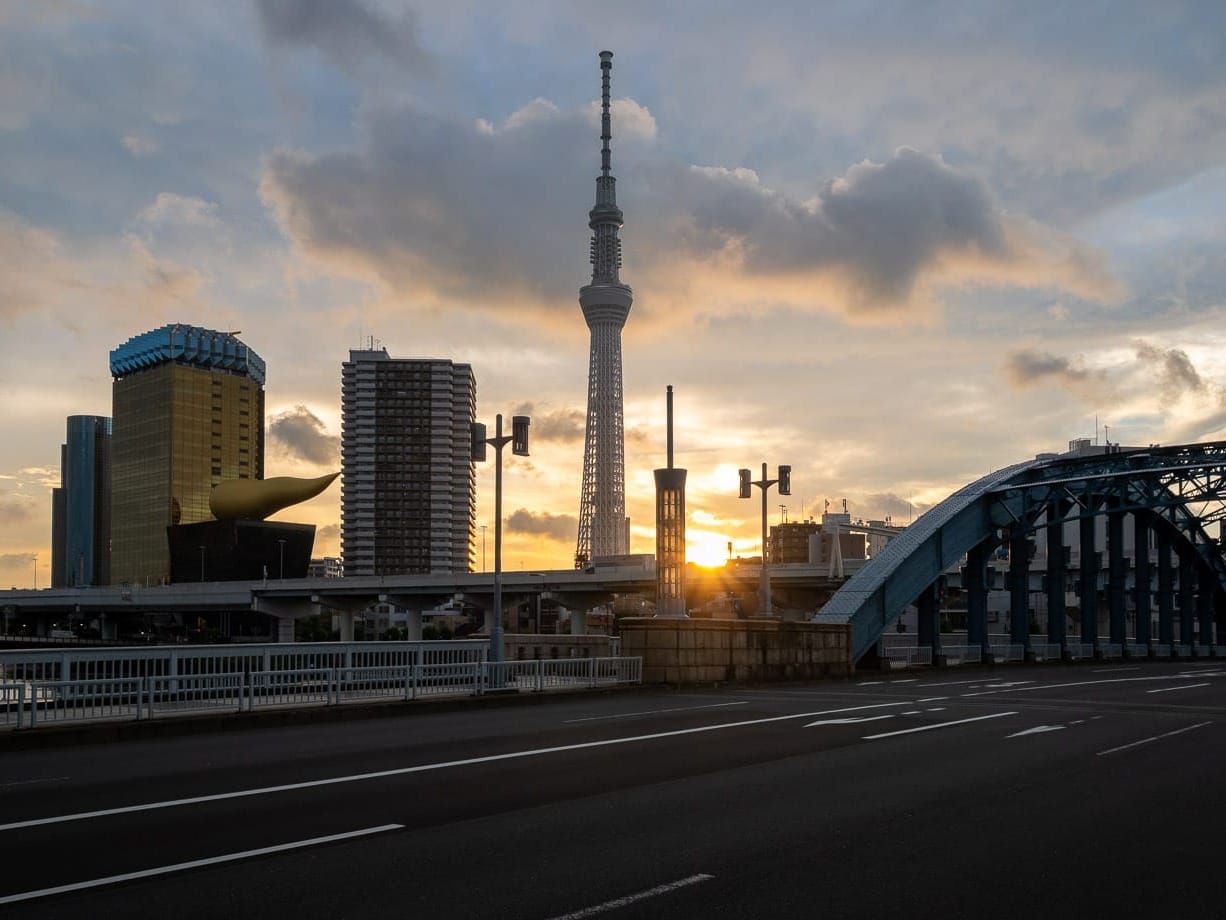
The streets lay quiet as expected as I crossed the Sumida River via the Umaya Bridge toward Honjo. For a time, Honjo was considered one of the outer bounds of old Edo. It represents the city’s initial urban sprawl eastward after the construction of the Ryōgoku Bridge. Over the decades, Honjo grew dense with factories and working-class housing.
North lies Azumabashi, named after the Azuma Bridge, which crosses the Sumida nearby. The Toei Asakusa Line’s Honjo-Azumabashi Station sits just inland and serves the main walkable approach to Skytree. The whole quarter now feels defined by visitors flowing from the station toward the tower. Southward, a network of machi descends toward Ryōgoku, forming an area people loosely call “Honjo-Azumabashi,” after the station’s name. At its eastern edge is the Oyokogawa Water Park, a former canal transformed into a green corridor.
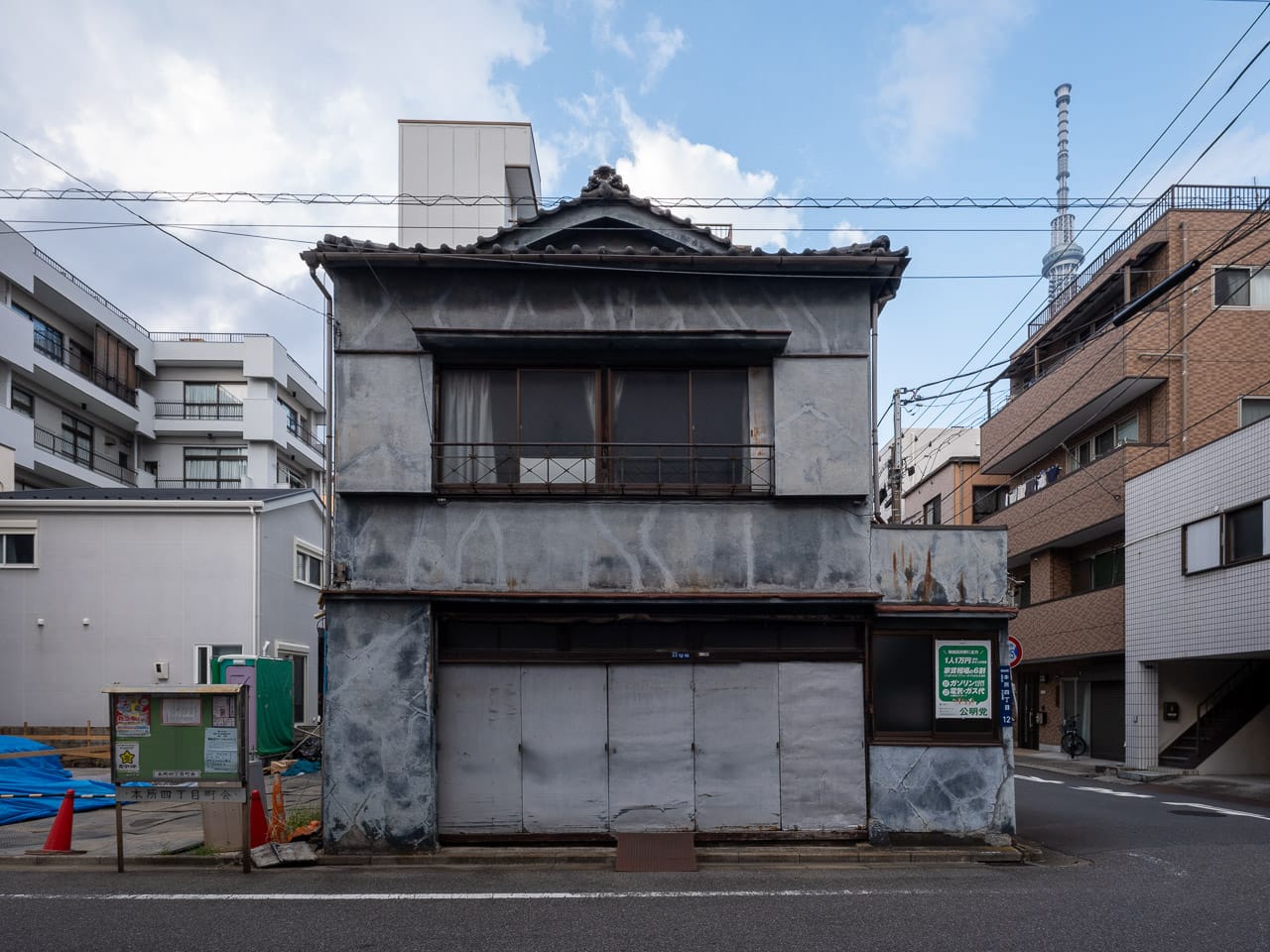
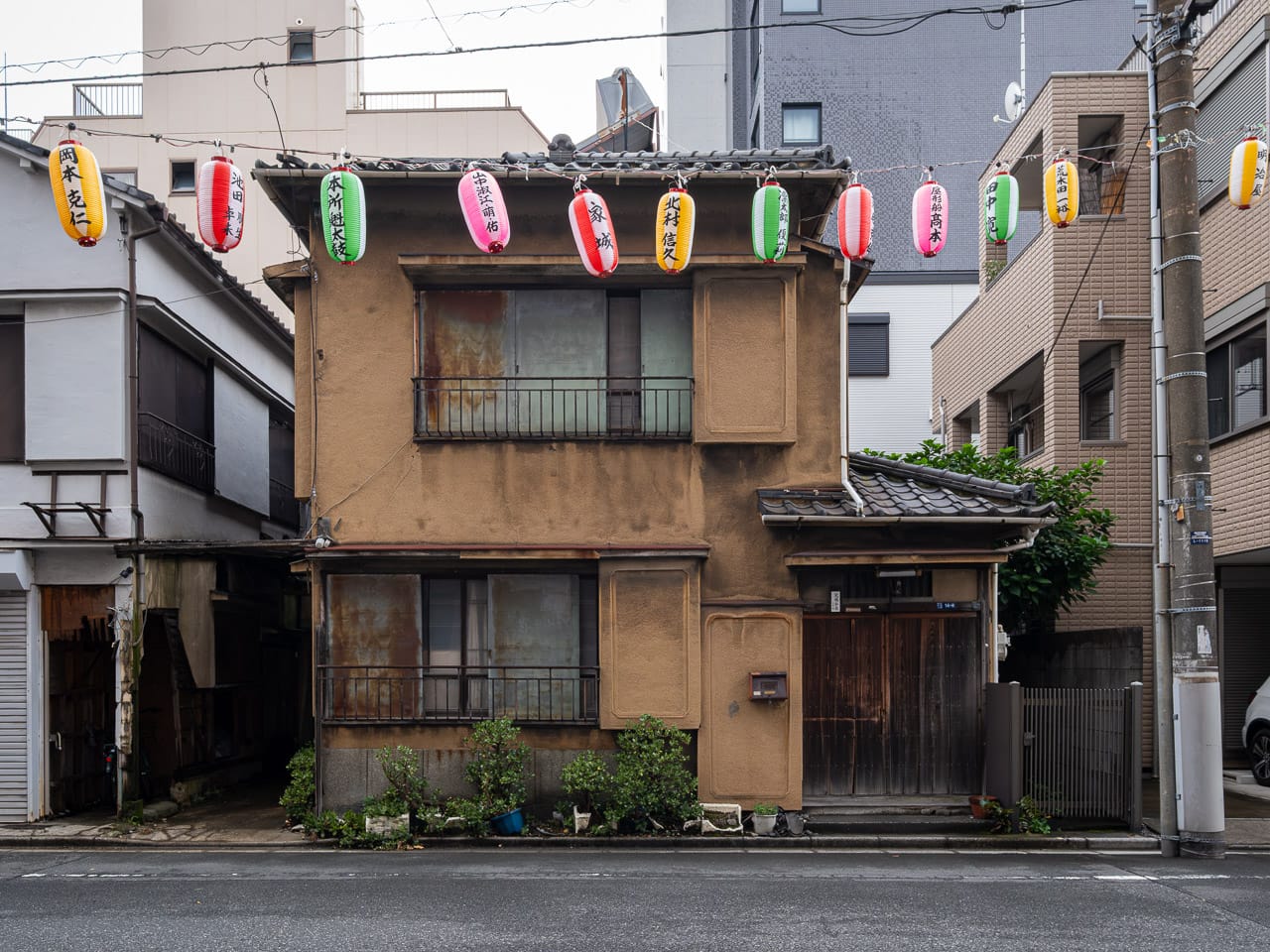
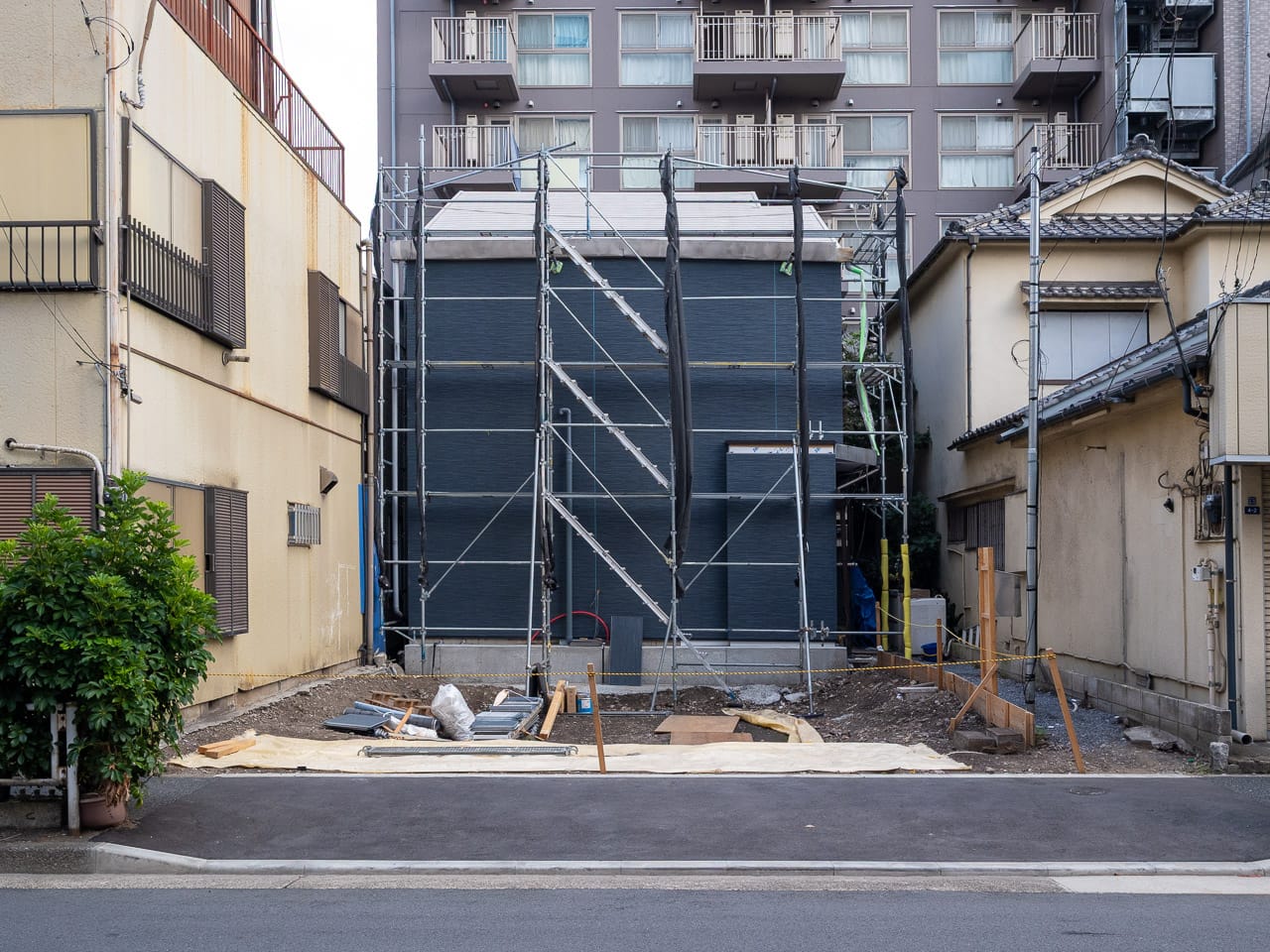
Between Skytree and Ryōgoku, the streets are hushed. You’d scarcely believe the din of Kaminarimon and Sensō-ji is little more than a kilometre away. The gridded streets still hold many post-war factories and houses alongside lots where similar buildings once stood. It is hard to imagine city officials or developers viewing these patina-laden structures as heritage; no protections seem to exist. Sensing that the script is already written and this rich architecture will eventually disappear, I began photographing. I even shot some houses—something I rarely do. Time is almost up, and documentation may now outweigh courtesy.
Museum Interval
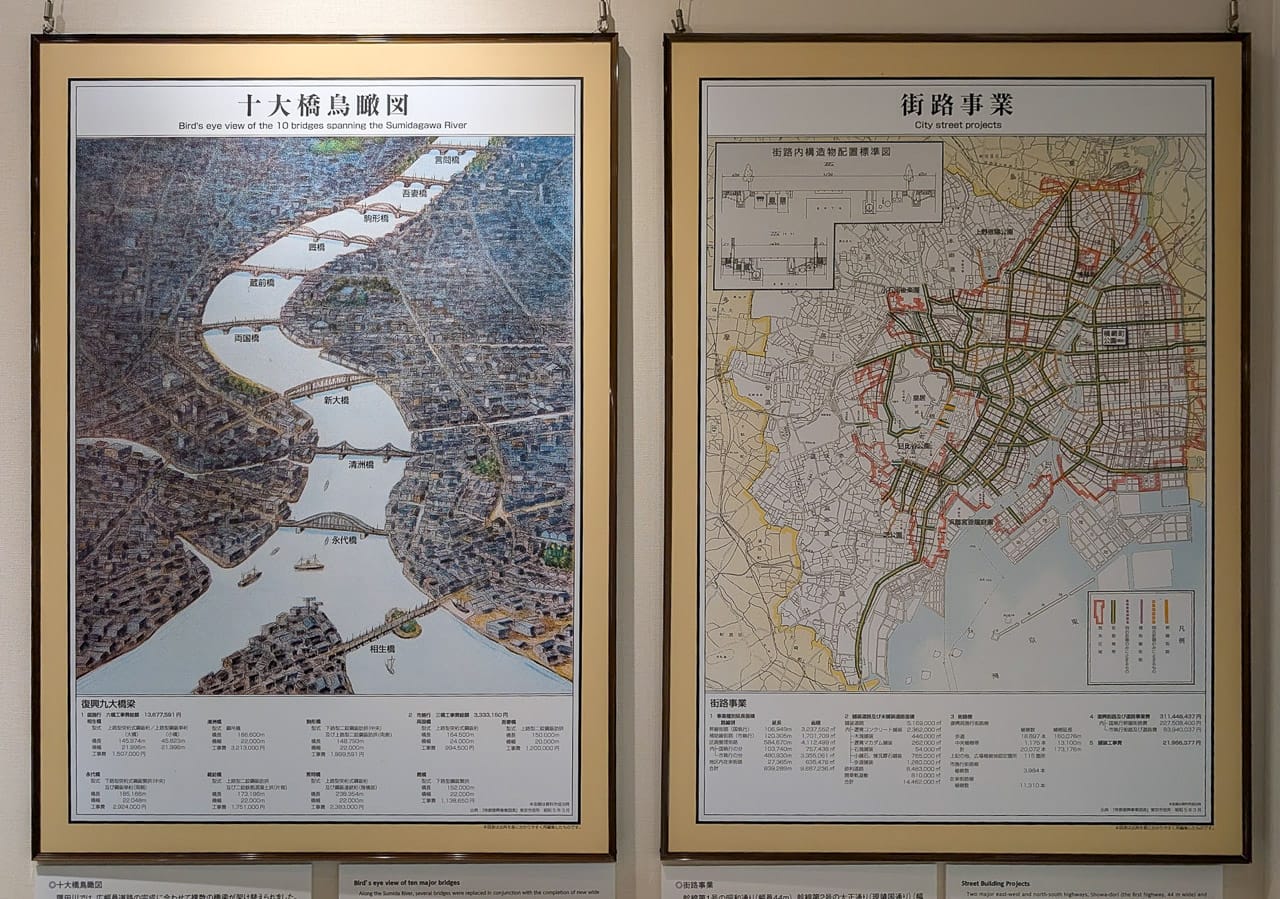
Heading south, I finally visited the Great Kantō Earthquake Museum in Sumida-ku, a long-postponed trip. Its exhibits set the 1923 disaster amid the main forces that forged modern Tokyo: Edo’s seventeenth-century street plan, the Meiji reforms, and the upheaval of the Second World War.
Maps reveal how the quake and the fires that followed shaped today’s street network. Much of the city’s main roadwork dates to the reconstruction that followed. One chart of the worst-hit zone nearly mirrors the boundaries I marked at the outset of this series. The shitamachi bore the heaviest loss.
Bath Time
Earlier, I passed Mikokuyu, where local seniors queued for the shutters to lift. When they did, they streamed in with a lively hum—a heartening scene. Too early for me, I walked north past Skytree, through Mukōjima, and along the Hato-no-Machi Shōtengai. By day’s end, twenty thousand jet-lagged steps talked me into a short taxi ride back to Oshiage.
The driver knew my stop: Daikokuyu, an apparently popular spot that has languished on my to-go list. En route, he shared his bathing routine: soap and rinse, soak once to open the pores, wash hair and shave, soak again, cool down, then finish with a final immersion.
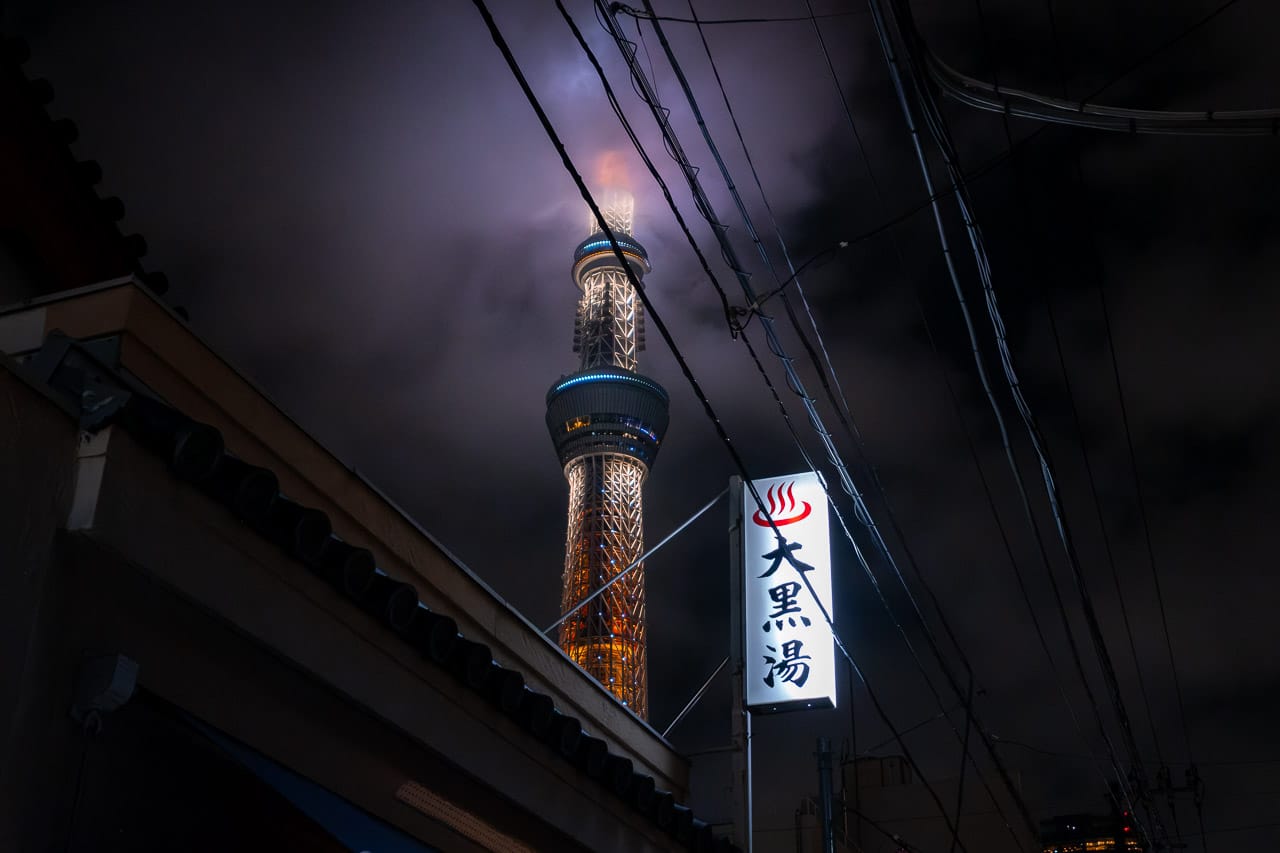
Outside Daikokuyu at night, the glowing signage, the adjoining coin-operated laundromat, and the Skytree blinking through the mist give the entrance a light cinematic charge. Inside, it is relatively clean and exceptionally compact. A dark-wood Shōwa-era interior marks changing rooms, and a plaque on the changing room wall, yellowed with age, notes a feature in the Asahi Shimbun. Noren and walls are adorned with anime mascots, a jarring counterpoint to the otherwise austere decoration.
This is close-quarters bathing. By evening, the baths are busy with bodies, and you can expect a brief wait for a tub. There is a reason why the seniors at Mikokuyu line up from mid afternoon for the shutters to open.
Sleep Hygiene
The reality of rising before dawn is that the night must be given up in exchange. I closed mine with a fresh fish kaisen-donburi of negitoro, uni, and ikura to cool down at a small sakanameshi shop near Daikokuyu. A local bus carried me back to the hotel, city lights flickering past as Tokyo settled into its late-night rhythms. I, on the other hand, was already thinking of first light.
Until we meet on the banks of the Sumida,
AJ
P.S.
I’m considering occasional unfiltered “Close Friends” Instagram stories during this trip for members, particularly Field Notes readers. Reply with your IG handle if you’d like to be included.
Pins
Only
Great Kantō Earthquake Museum
Hato-no-Machi Shopping Street
Mikokuyu
Daikokuyu