
I take the last seat on the train. My shoes almost touch those of the commuter opposite me. Bodies squeeze in and winter coats fill the gaps. I put my headphones on, and press play on Frankie Rose’s Molotov in Stereo.
My mind drifts and I picture myself aboard the Himiko departing from Asakusa’s dock. Gliding along the Sumida River, the boat rocks like a cradle. Gazing out through its wide, curved windows, the bordering highways assure me I am in Tokyo. Winter’s light wanes as we approach Ryōgoku, and a Chūō Line train dances across the viaduct, its yellow carriages bright against the blue hour sky.
This is how I move through the city most days. Headphones on, I select a song and suddenly I am elsewhere. It is a deliberate form of reverie. Just then, the train comes to a halt and I alight at my stop. I pause my music and a cascade of footsteps, signal whistles, and announcements resounds.
Living in metropolises my entire life, music has come to feel intermeshed with the city. It began with my first CD. I remember slotting it into my red boombox, turning the volume all the way up, and dancing in my room to its compressed, crunchy sound. I let the album play through to the lead-out before playing it again, and again.
A pair of tinny wired earphones kept me tethered to my first portable music player. I remember looking through car windows, unable to comprehend the scale of the city, the album playing intensifying that feeling. I would associate different albums with different cities, weaving together the music, my surroundings and emotions.
As a teenager, I began gathering and cataloguing music by month, creating twelve playlists a year. My memories, captured in thirty-day segments, now accessible at will. Retreating to music has always been an option. But after years of tuning into music and tuning out my surroundings, I have come to realise I don’t know the city without it.
◐
Earlier this week, I awoke with a restless mind but continued about my morning. On the subway platform, an evacuation alarm began to blare from the station’s speakers. We were ushered out with little apparent strategy, as a human wave funnelled slowly through the single working ticket gate.
I turned away from the confused commuter horde and headed south to the next train station, a 34-minute walk away. Running late, I needed the city to cooperate. My haste lasted as long as a few minutes before the skies opened and the rain poured down.
I tucked under a corner shop’s awning, reached for my headphones and selected Rozi Plain’s Agreeing for Two. Everything around me dulled slightly, and I imagined walking through Sotobori Park with the buildings of Kagurazaka rising above the canal.
The music elicited a momentary sense of serenity. Yet my thoughts continued to simmer between past memories and projections into the future. During the week, I had been feeling nervous and apprehensive. I found myself camouflaging my feelings more than usual, then endlessly ruminating.
The city is who I feel most at ease with. It has become a means of gaining clarity in times of emotional turmoil. Other days, these inconveniences might be precisely what I love about the city: its inherent imperfections. But standing in the rain, music was less a means of wilful transportation than it was an escape from the present. When the music paused, the city played. I was left still feeling inert.
◐
This evening, I journeyed home in silence. My headphones, along with my phone, stayed in my bag. For the city, it was another unremarkable evening: slow-moving crowds, delayed trains, and untimely hindrances. Without music to retreat to, the journey felt difficult at first.
I walked slowly during my interchange, passing between other bodies. When my thoughts began to wander, I caught them and returned my focus to my surroundings. I listened to boots hit the floor, screeches on the train tracks, the rumble of carriage doors, and the rustle of winter coats. The interplay of sounds was akin to a musical composition, and tuning in, my mind returned to neutrality.
In all my agitation, I had been holding the city responsible for feelings that had little to do with it. As a place I so often looked to for answers, it was only right I paid it some attention in return and, perhaps, listened.
✺ Kiara
We believe in developing a more intimate relationship with the cities we visit. It is why we made Tokyothèque Neighbourhoods, not simply to help you find what you're looking for, but to understand Tokyo, get to know it slowly, and appreciate its inherent imperfections.
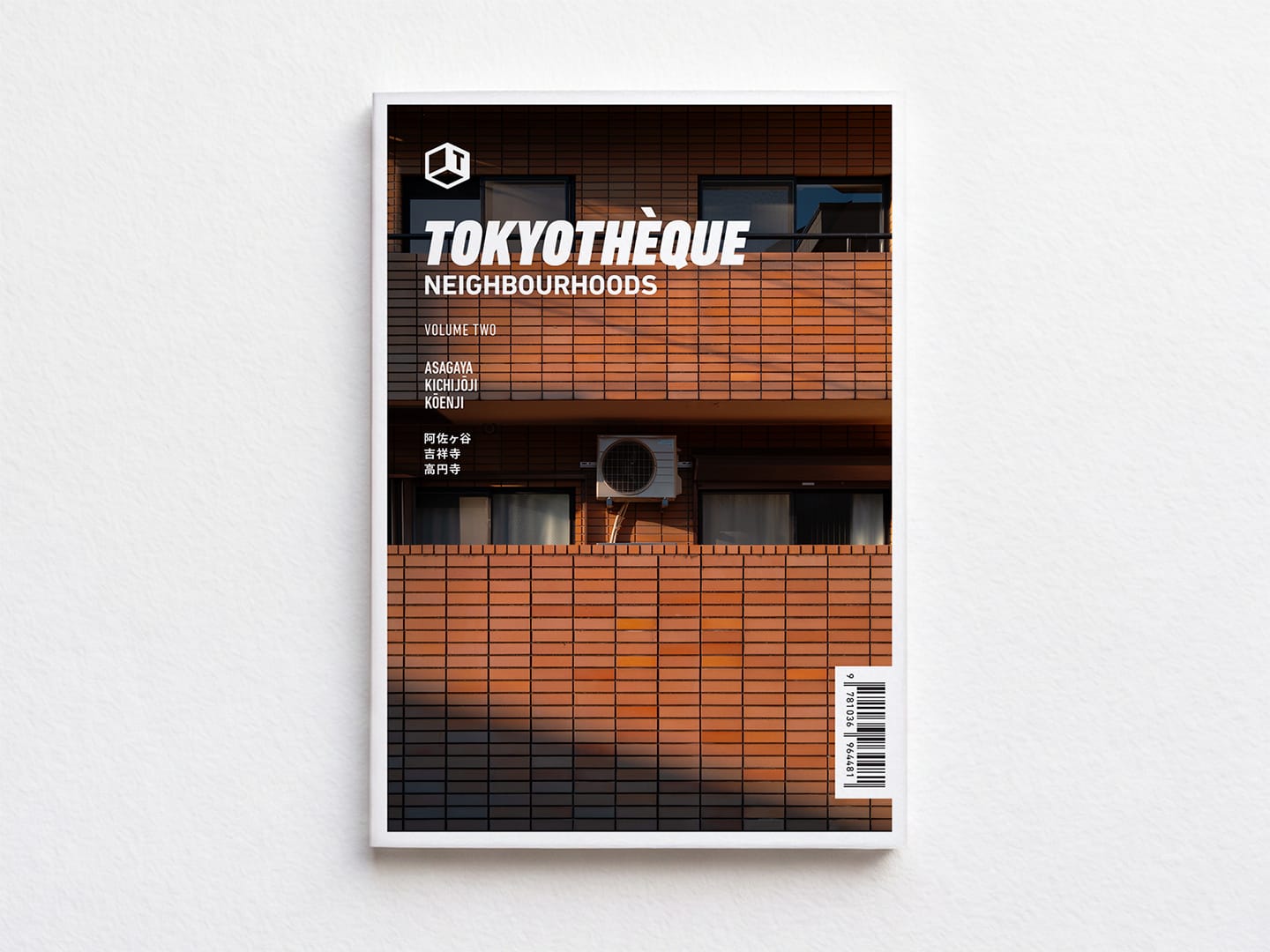
Two volumes in the series are now available:
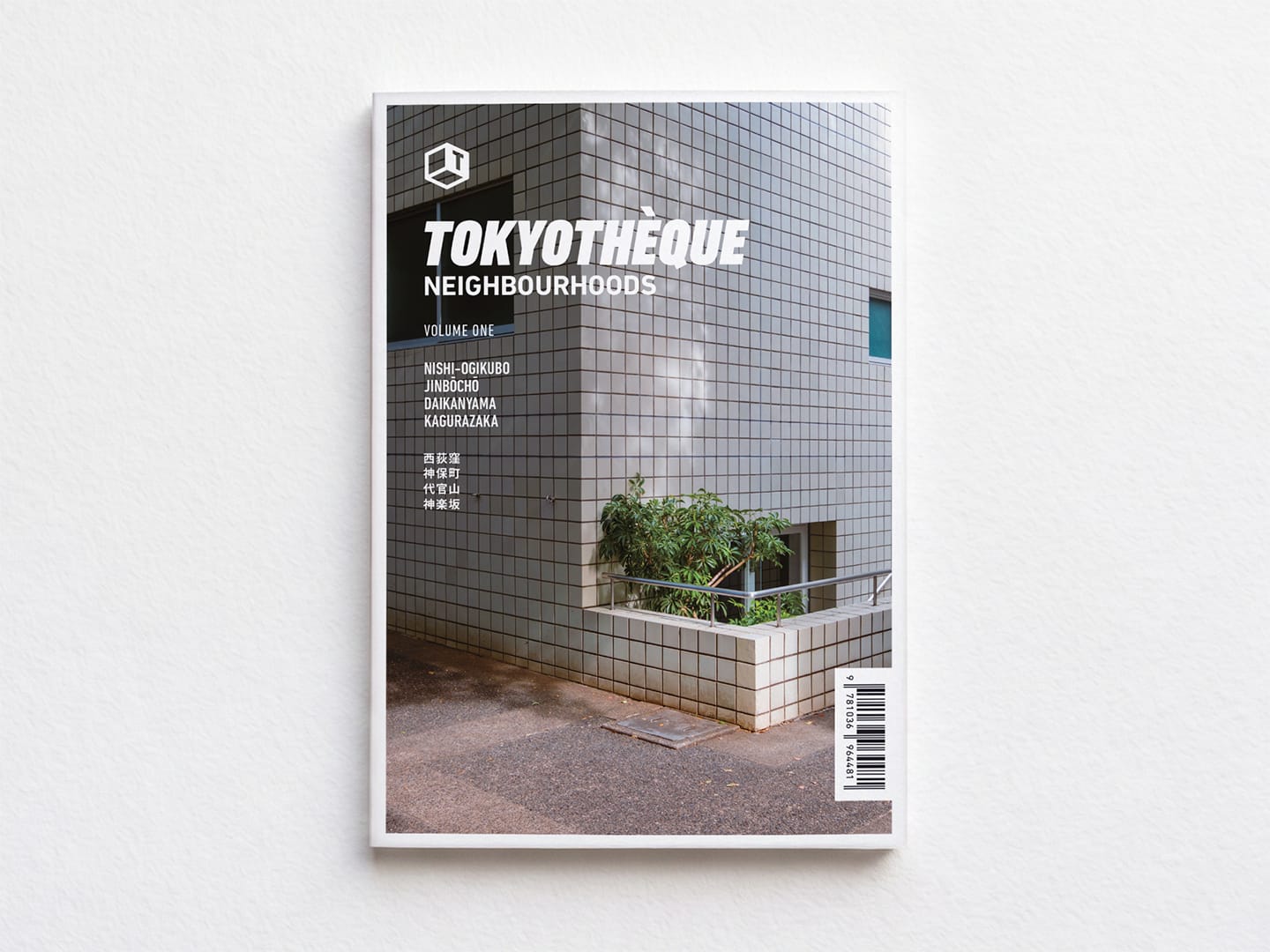
Volume One
Nishi-Ogikubo, Jinbōchō, Daikanyama and Kagurazaka.
Fewer than 100 copies remaining.
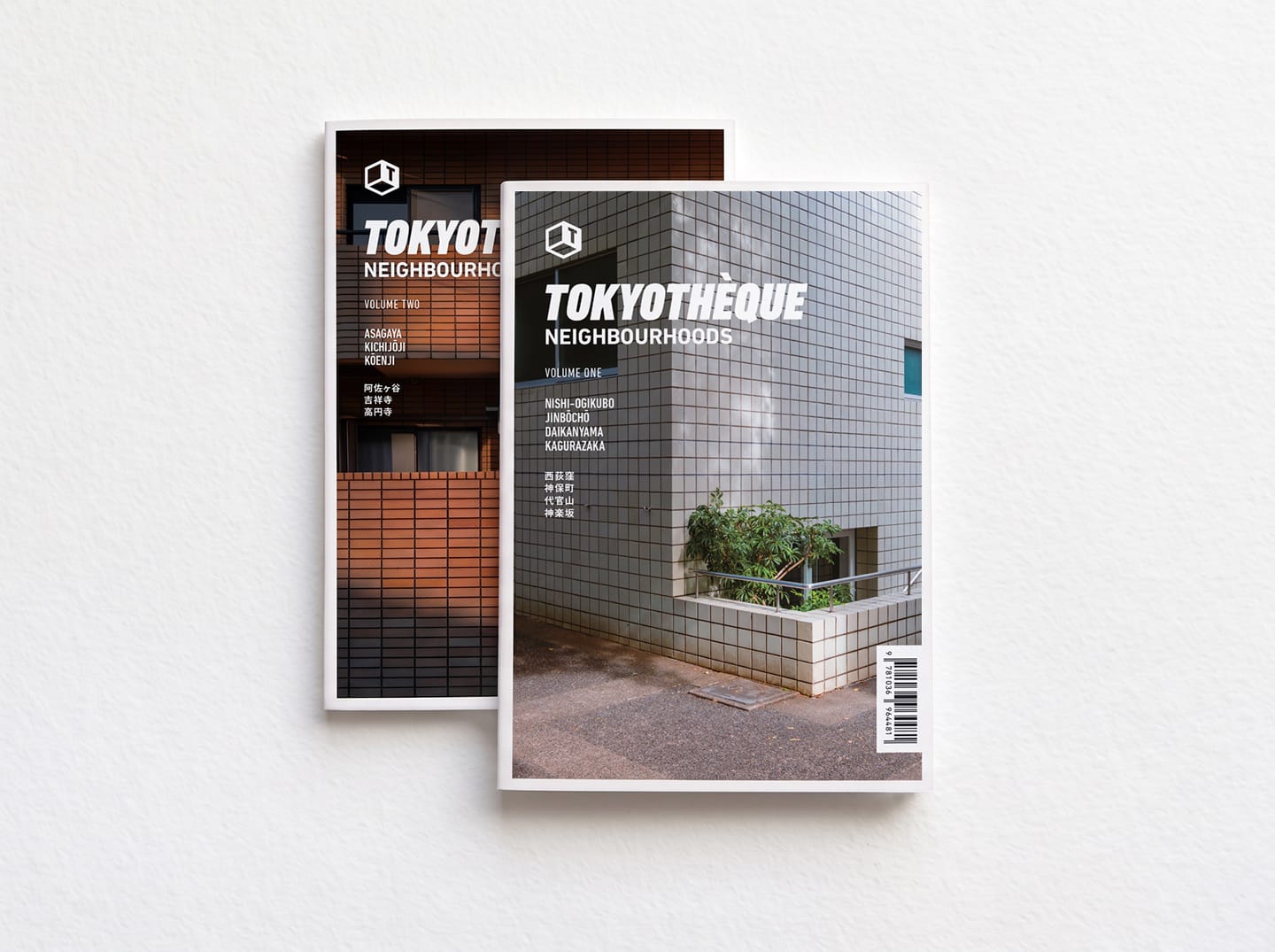
Volume One & Two Bundle
All seven neighbourhoods at a lower combined price.
Fewer than 100 bundles remaining.
Do join us in its pages ✦