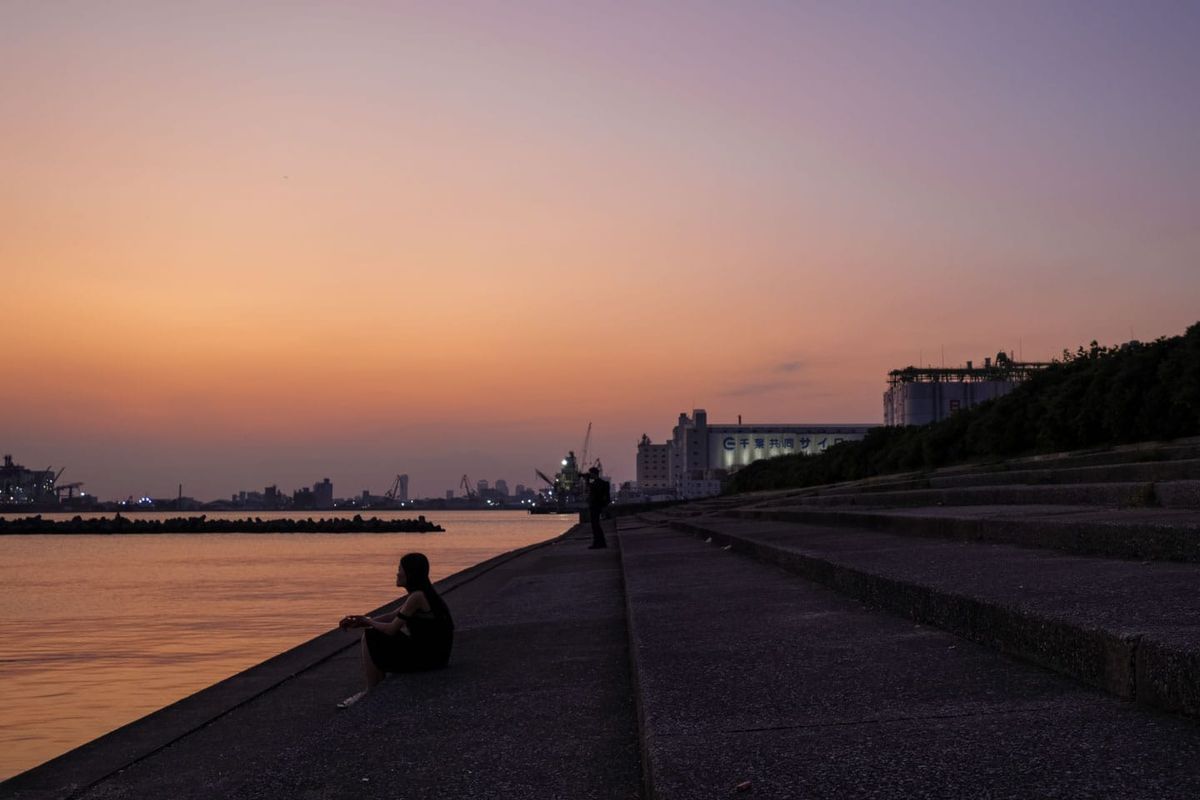
Too restless to stay put, yet too exhausted for much exercise; too unfocused to work, yet too preoccupied to give attention to a film or book; too inward for company, yet unwilling to be entirely alone. It is an uncomfortable state between agitation and depletion.
Lying horizontal in scrolling paralysis, long after it has ceased to feel good, has become an easily available form of escape over the past decade. If you catch yourself doing it this weekend, stop and step away from the phone.
Before that temptation existed, I found my way to walking instead. With no specific aim beyond experiencing the city, putting one foot in front of the other seemed enough to pull at the first thread in a tangle of thoughts. One by one, they came loose and settled into order. Environmental psychologists have spent decades mapping how walking restores mood and mental clarity. At the time, though, I only knew that it seemed to help.
Researchers comparing urban and rural walks have found the environment itself effects how restorative the walk is. In the city, bland, neglected or hostile surroundings, along with noise, traffic and pollution, can work against us. Advice to simply go for a walk can feel glib when the setting itself seems to counteract the benefits.
And that is where travel comes in: the need to be elsewhere, somewhere, anywhere but where you are. Getting up from the horizontal pull of smartphone procrastination and walking the block instead is already a small success. From there, perhaps you go to another neighbourhood, or leave the city altogether, and walk for a day.
Elsewhere for me was Tokyo. I’m aware that suggesting a journey overseas risks sounding glib too. The possibility of going elsewhere is not equally available to everyone. Mine came with its own difficulties getting there. But when I did, I found an urban environment where walking became what I naturally turned to.
Over time, I began to walk further. A shorter walk might provide a reset, restoring some equilibrium until it is needed again. Spend more of the day walking, and that equilibrium seems to last longer. Extend beyond a day, and walking begins to open a kind of liminal space outside ordinary routines and obligations. There is the route, your body, the surroundings and your own mind.
Within that space, however far you walk or however geographically distant you become from your concerns, you cannot walk away from yourself. After enough hours alone, whatever you brought with you begins to loom larger. Indeed, wherever you go, there you are. It was a maxim I had always nodded along to, but only came to understand on a long-distance walk two rainy seasons ago.
Over seven days, 222,524 steps, 142 kilometres and the 53 stations of Tokyo’s Chūō Line, there I was. That solitary stretch along the tracks became Field Notes: The Chūō Line. All seven parts are unlocked this week.
We’re fully focussed on completing Neighbourhoods: Volume Two at the moment, leaving little time for writing and, admittedly, almost none for walking. So, we hope you’ll enjoy a return to the Members’ archive.
Volume Two covers three neighbourhoods along the Chūō Line: Kōenji, Asagaya and Kichijōji. The unlocked letters call at each, offering a route into the line’s atmosphere ahead of the book’s release. Pre-orders remain open for those who would like a signed, numbered copy while also backing the project.
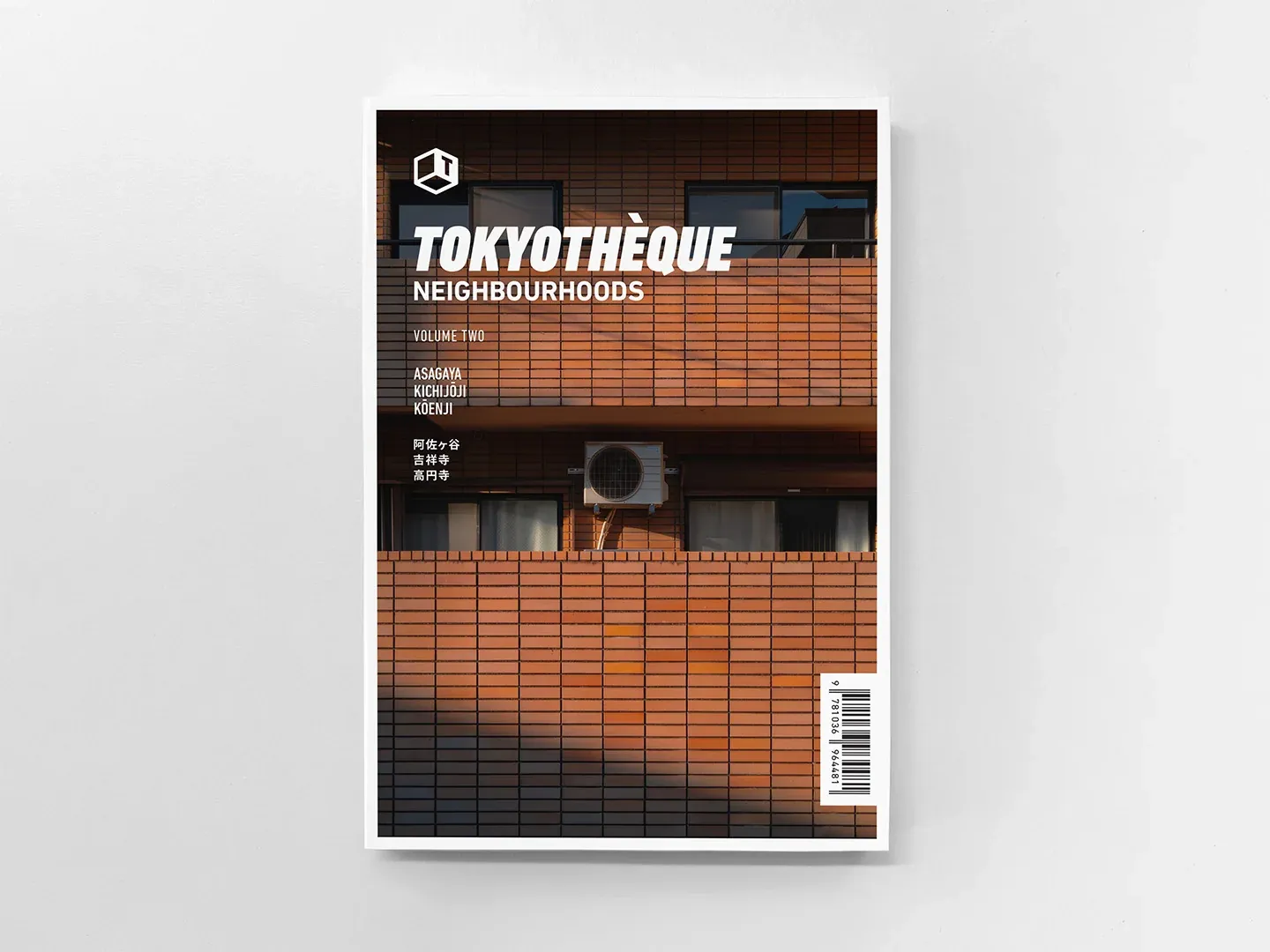
Alternatively, receive two volumes per year, complimentary shipping and full newsletter archive access with a City Walker subscription.
With that, please find your unlocked Field Notes below.
Until we meet along the line,
AJ
 Tokyothèque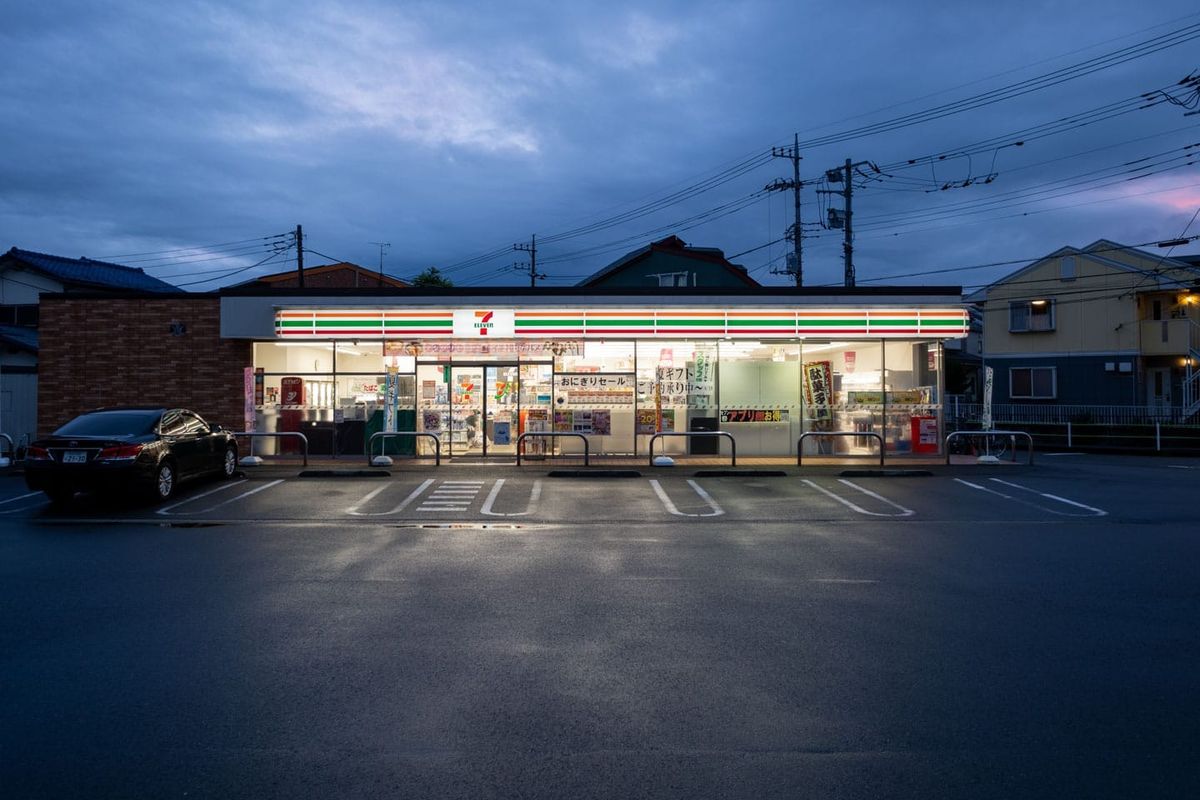
 Tokyothèque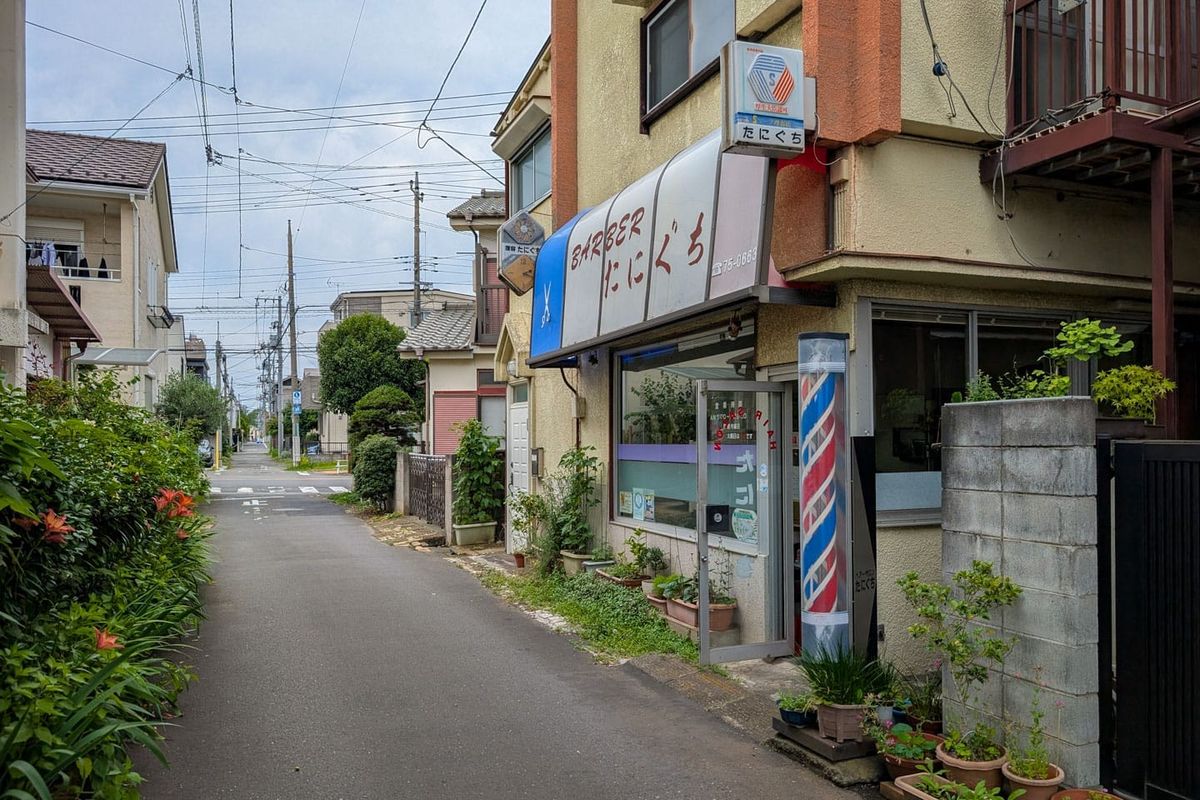
 Tokyothèque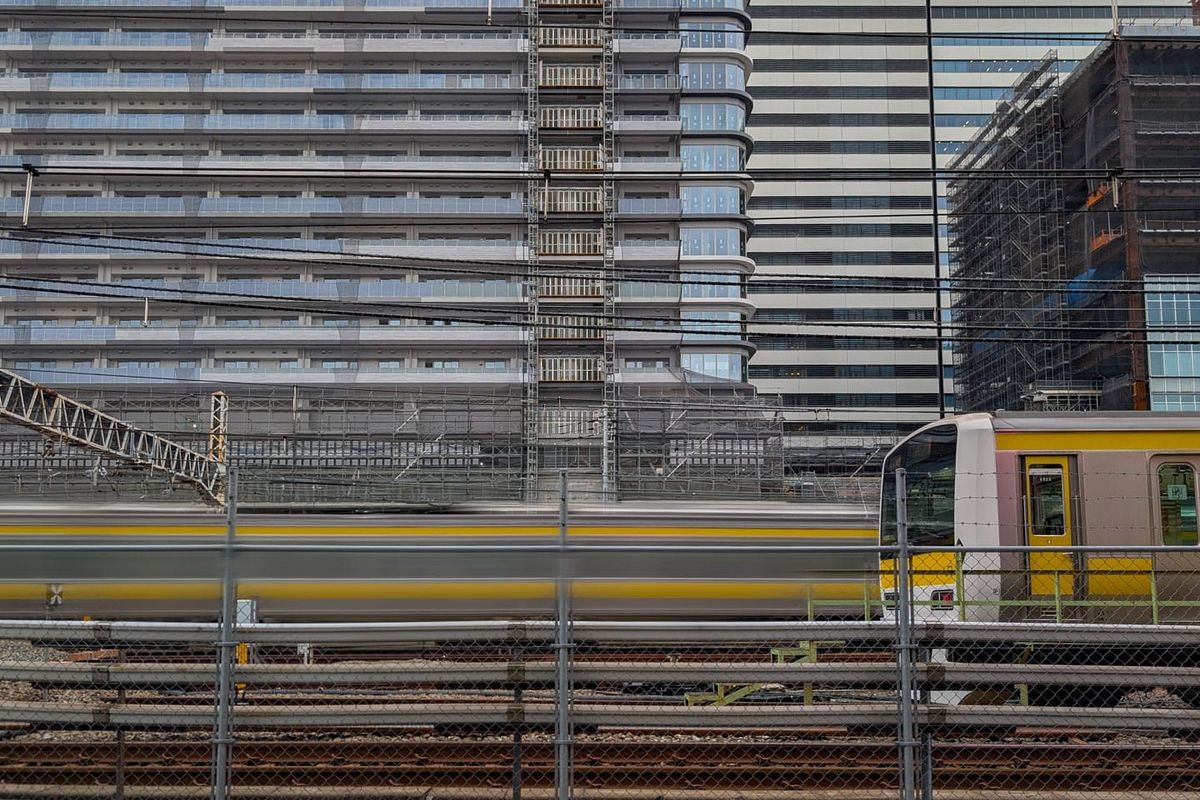
 Tokyothèque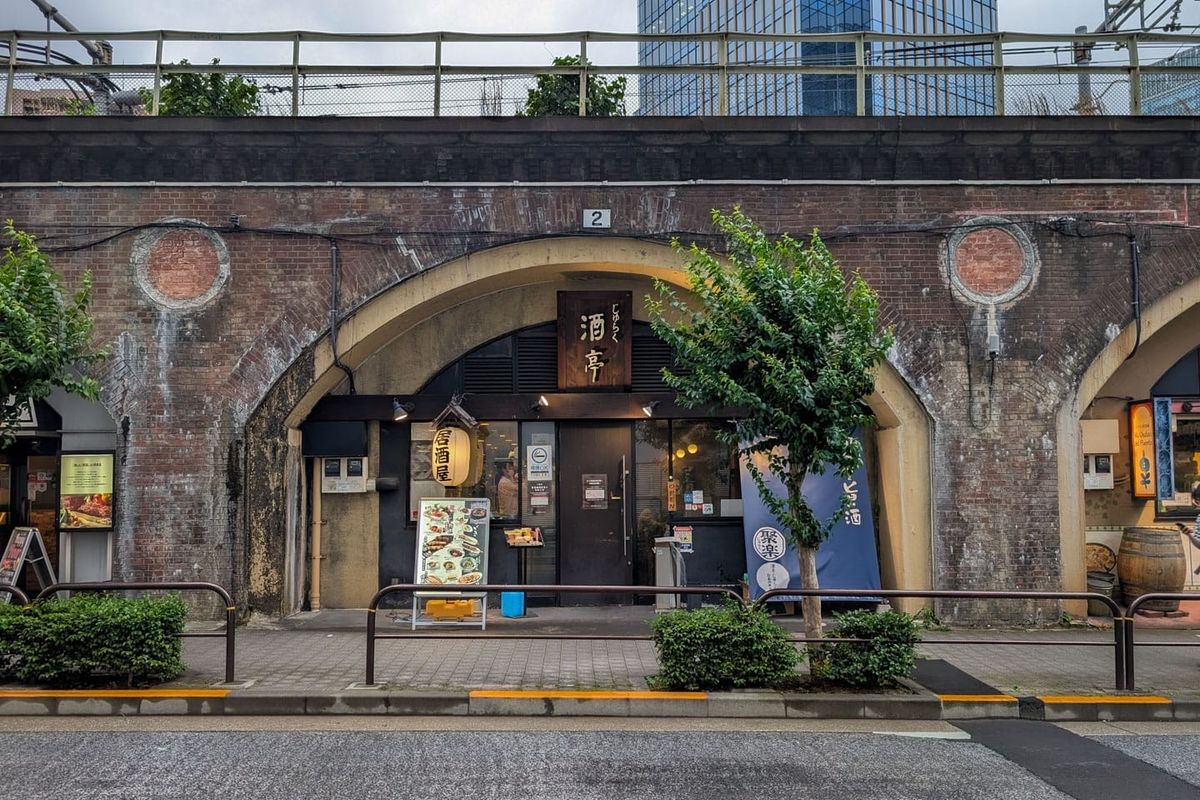
 Tokyothèque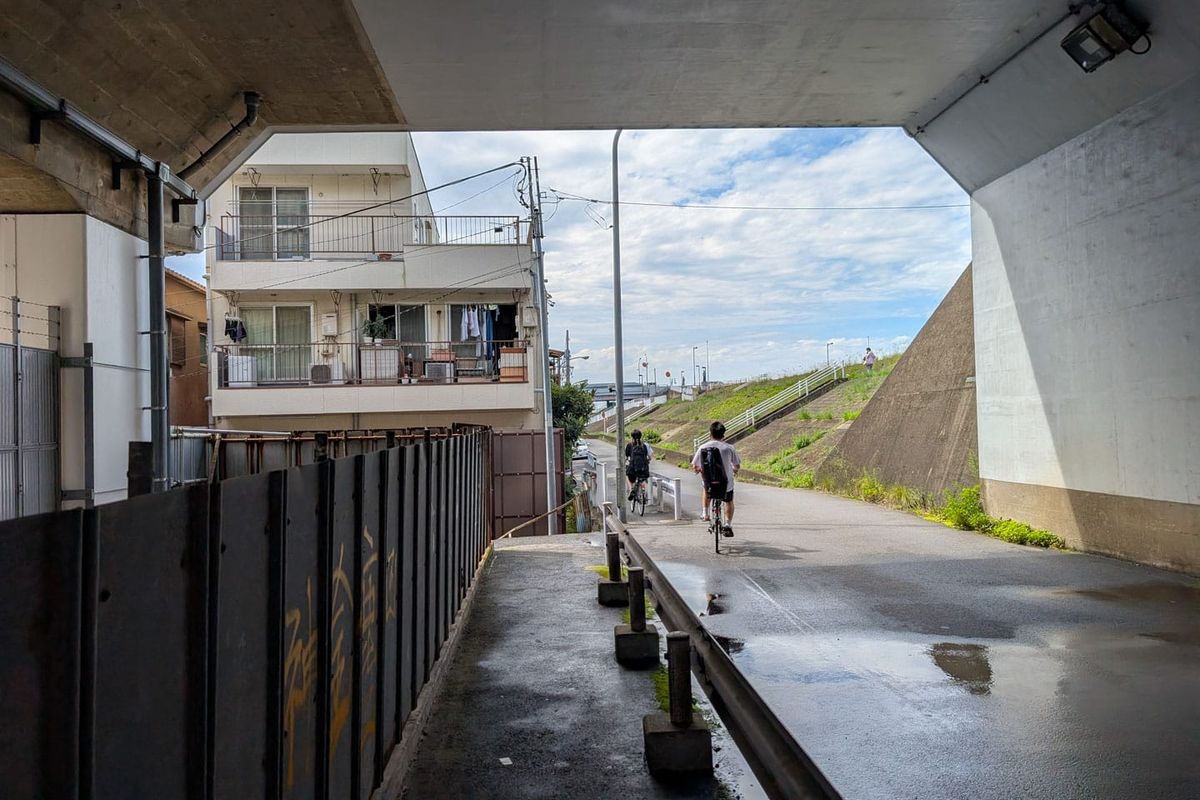
 Tokyothèque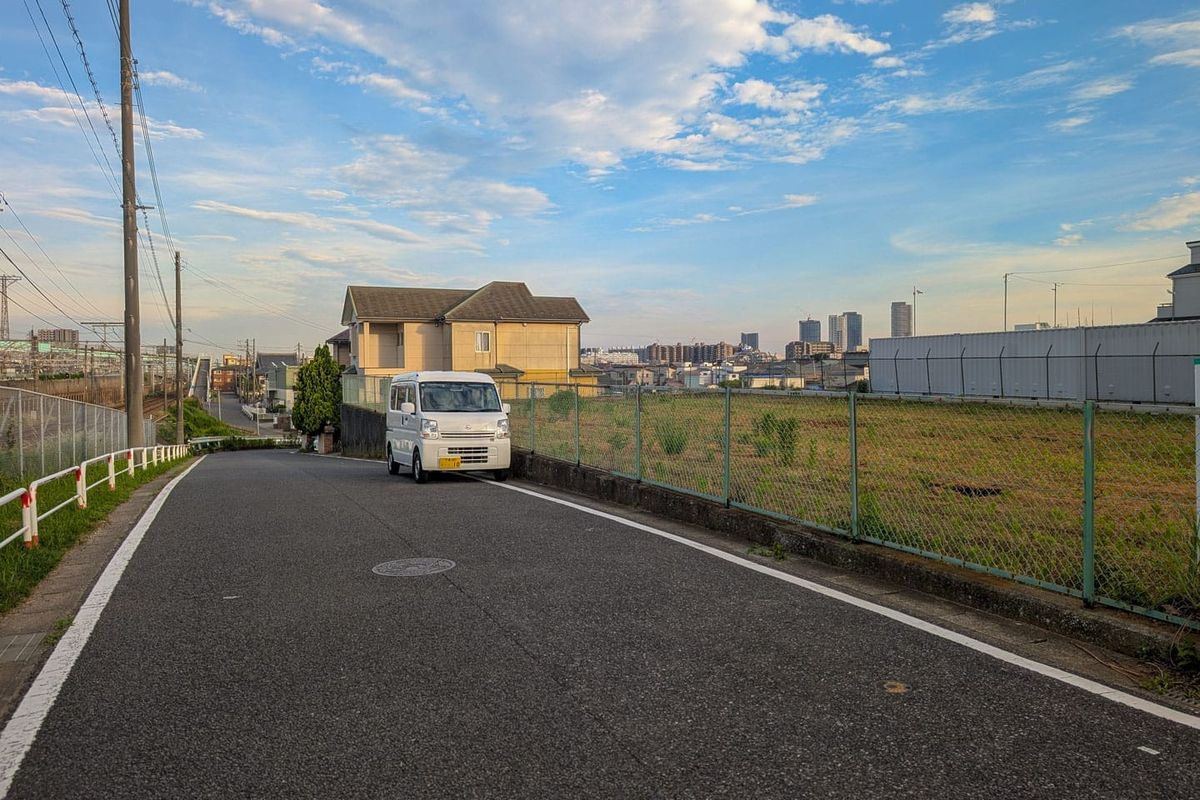
 Tokyothèque