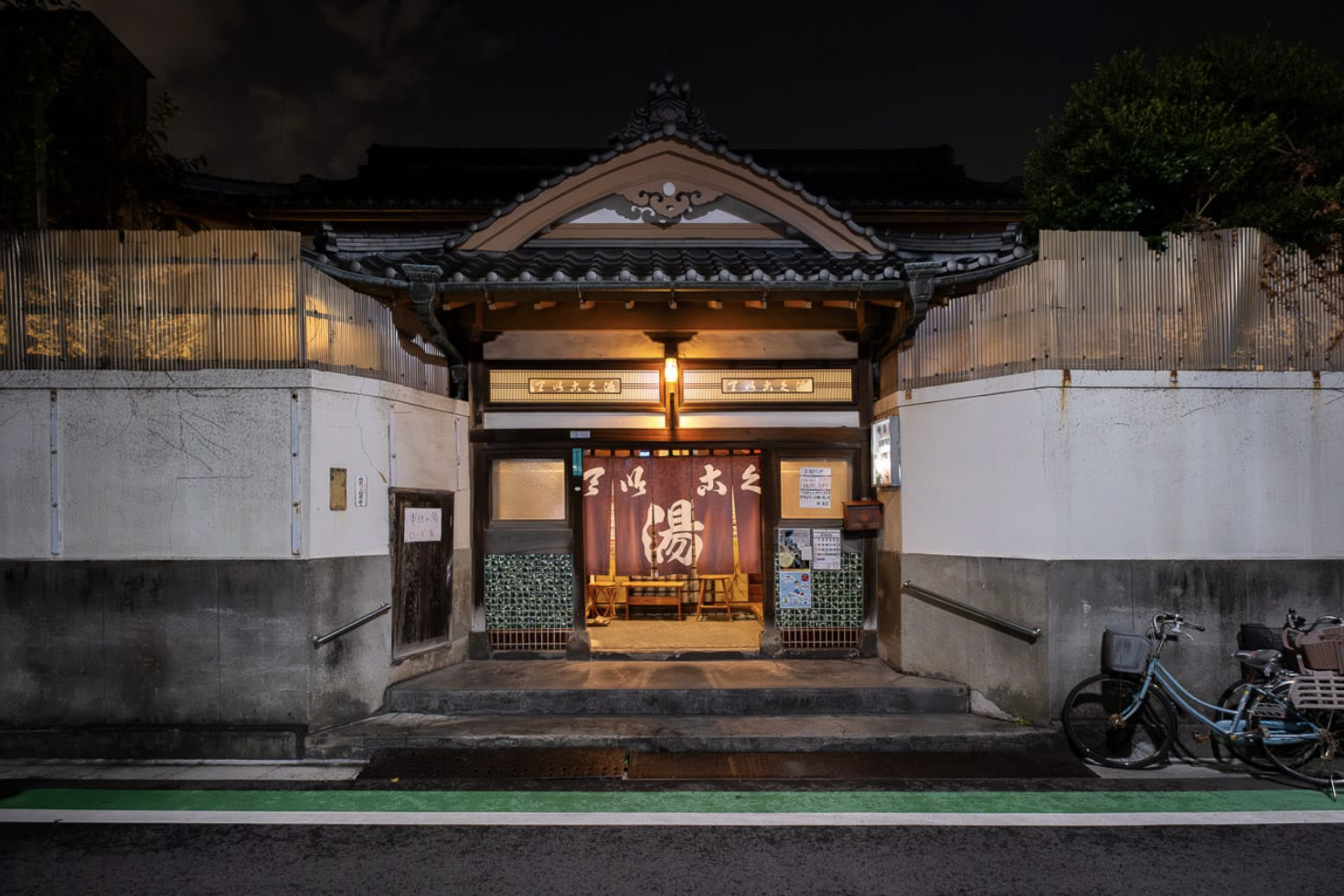
It isn’t necessary to have an idea before starting something. Choosing somewhere to begin and taking action often leads to one. A line drawn on a page without knowing what to draw. A word written without knowing what to write. A chord played. A move made. Ideas exist¹ and action makes us more likely to notice them. For many of us, the difficulty is simply starting somewhere.
Once we start, we need to keep going. We’ll be unsure whether the endeavour is worthwhile. We’ll likely struggle to make time for it or become distracted by whatever else life presents. We may wonder why we began at all. Continuing until the work takes on some recognisable form is a challenge in itself.
Once it does, the gap between the idea we settled on and our ability to express it becomes apparent. As the line becomes a sketch, the word a draft, the chord a sequence, the idea seems to contract. Self-doubt sets in and hope drains away, leaving the sense that the work is no good. But we still need to keep going.
If we can do that, the final challenge is completing the work. The idea seems to contract because finishing something means progressively reducing the available options. One by one, we close the door on the many possibilities the idea held in its earliest form. Even that first line could have been any colour or width, drawn in any medium, on any material.
When we leave doors ajar, or keep reopening closed ones and opening new ones, completion stalls. We could probably improve the work by doing so, but we’d never finish it. Finishing means stepping back and deciding that this is the outcome. It is imperfect, but it is enough. The doors we close become starting points for later work. Finishing one thing, then, creates the conditions for beginning another.
Working on a composite book like ours involves countless smaller loops of starting, continuing and finishing. Every photo, essay, description, map and layout must, in turn, be declared finished. This amounts to hundreds of successive acts of finishing. Making a book in this way is therefore good practice for anyone who struggles to finish.
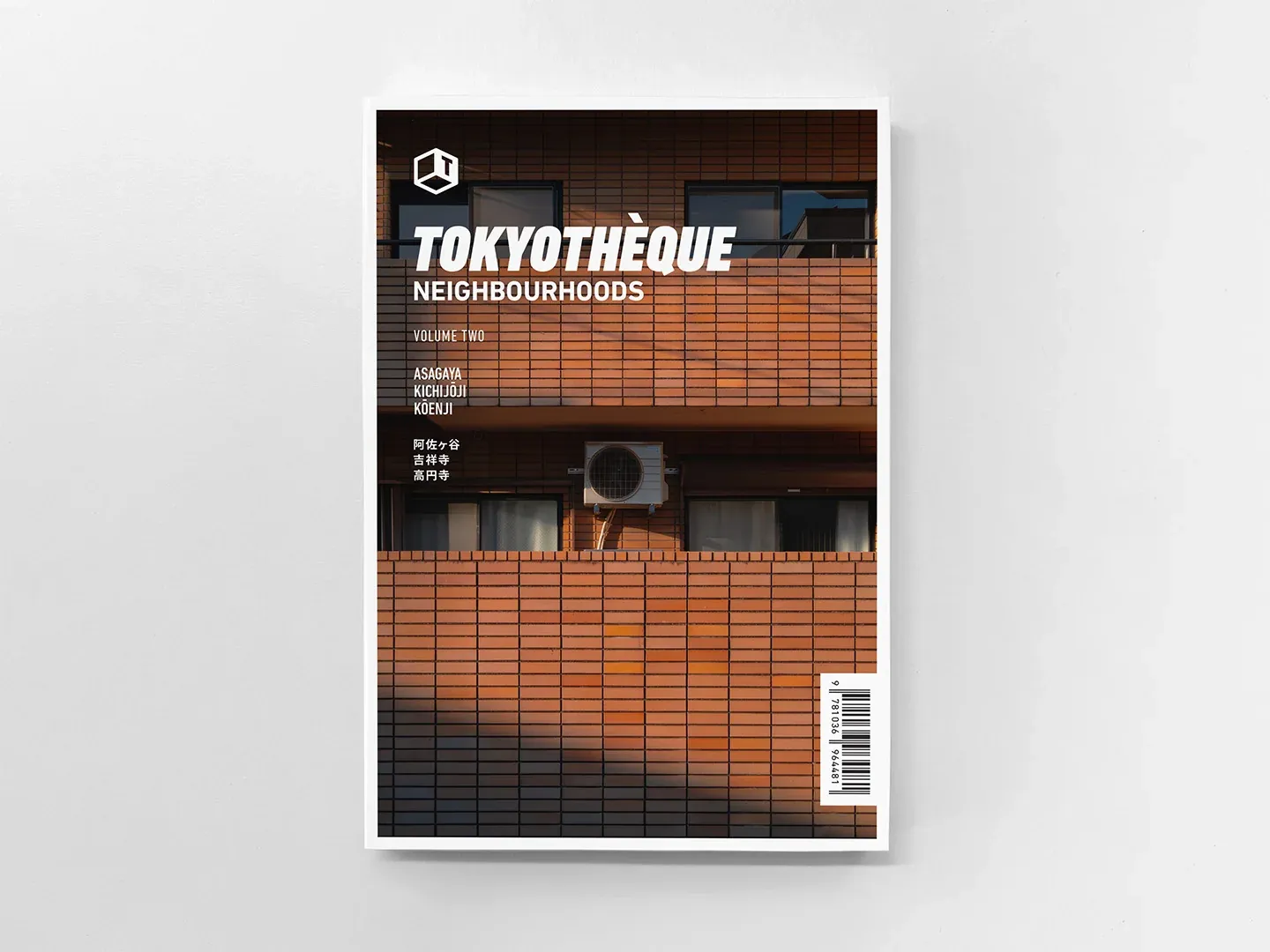
Pre-orders remain open for those who would like a signed, numbered copy while also backing us to complete the project.
Much remains to be finished, so with that, I must finish this newsletter. This week, we’re unlocking Field Notes: First Light, which documented a short stay in Tokyo’s shitamachi, an informal geography spread across the low-lying east of the city.
Where last week’s Chūō Line was an expedition through shifting scenery, First Light was an exercise in patterned travel. Each day, I’d rise with the sun and spend the day within the shitamachi, following a somewhat monastic routine. It was something like a city walker’s silent retreat.
During those days, simply by selecting somewhere to begin and taking some action, I arrived at the idea for the Tokyothèque Neighbourhoods series. I’m left wondering whether, without that process, we’d now be engaged in something else entirely. Perhaps that is the nature of creative work: one door at a time.
Until we meet in Tokyo,
AJ
 Tokyothèque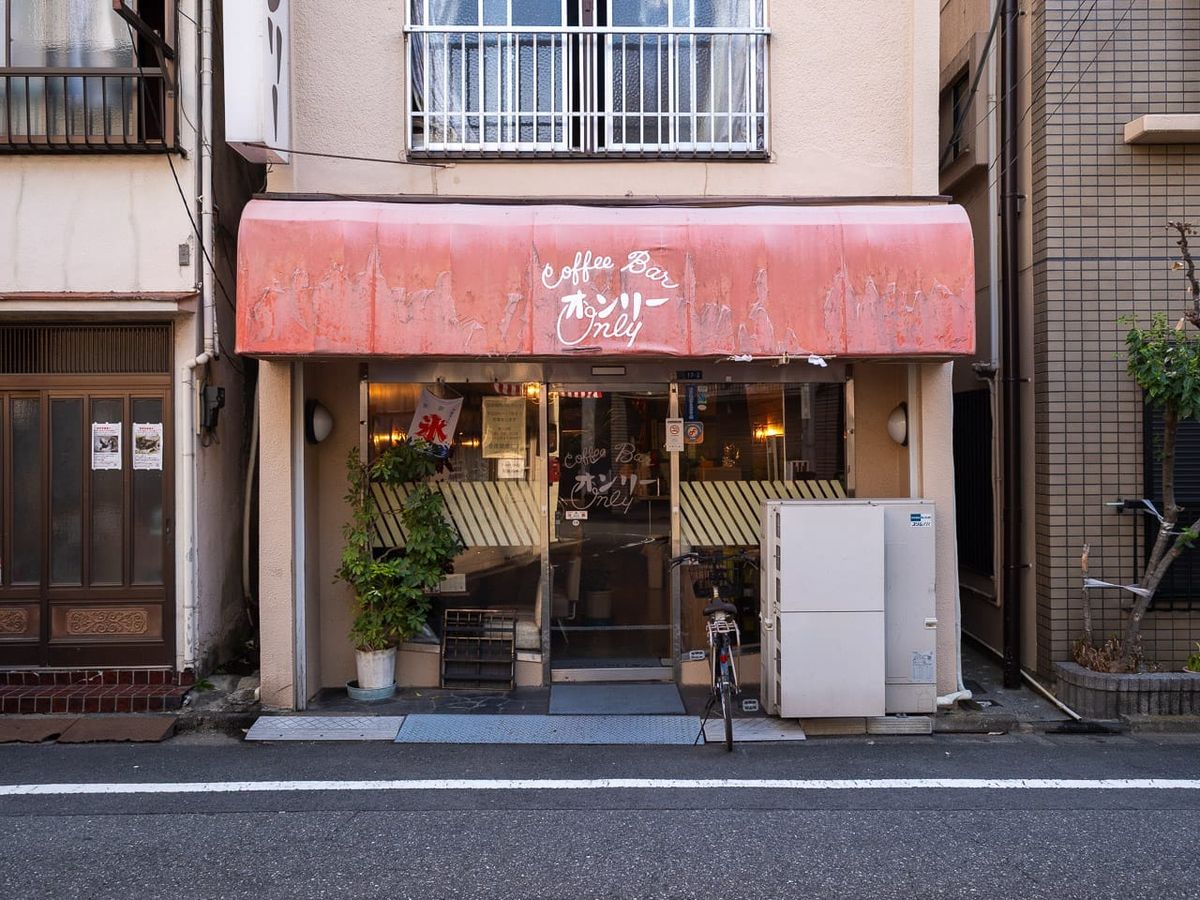
 Tokyothèque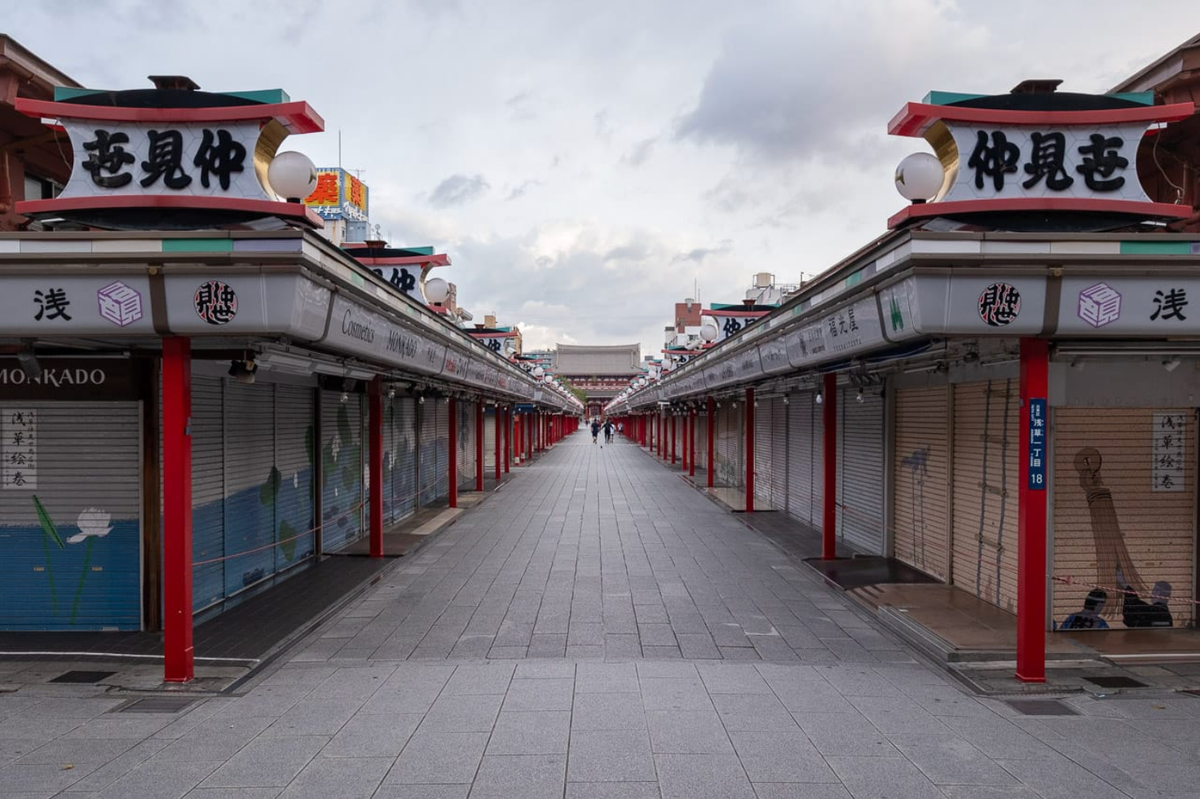
 Tokyothèque
 Tokyothèque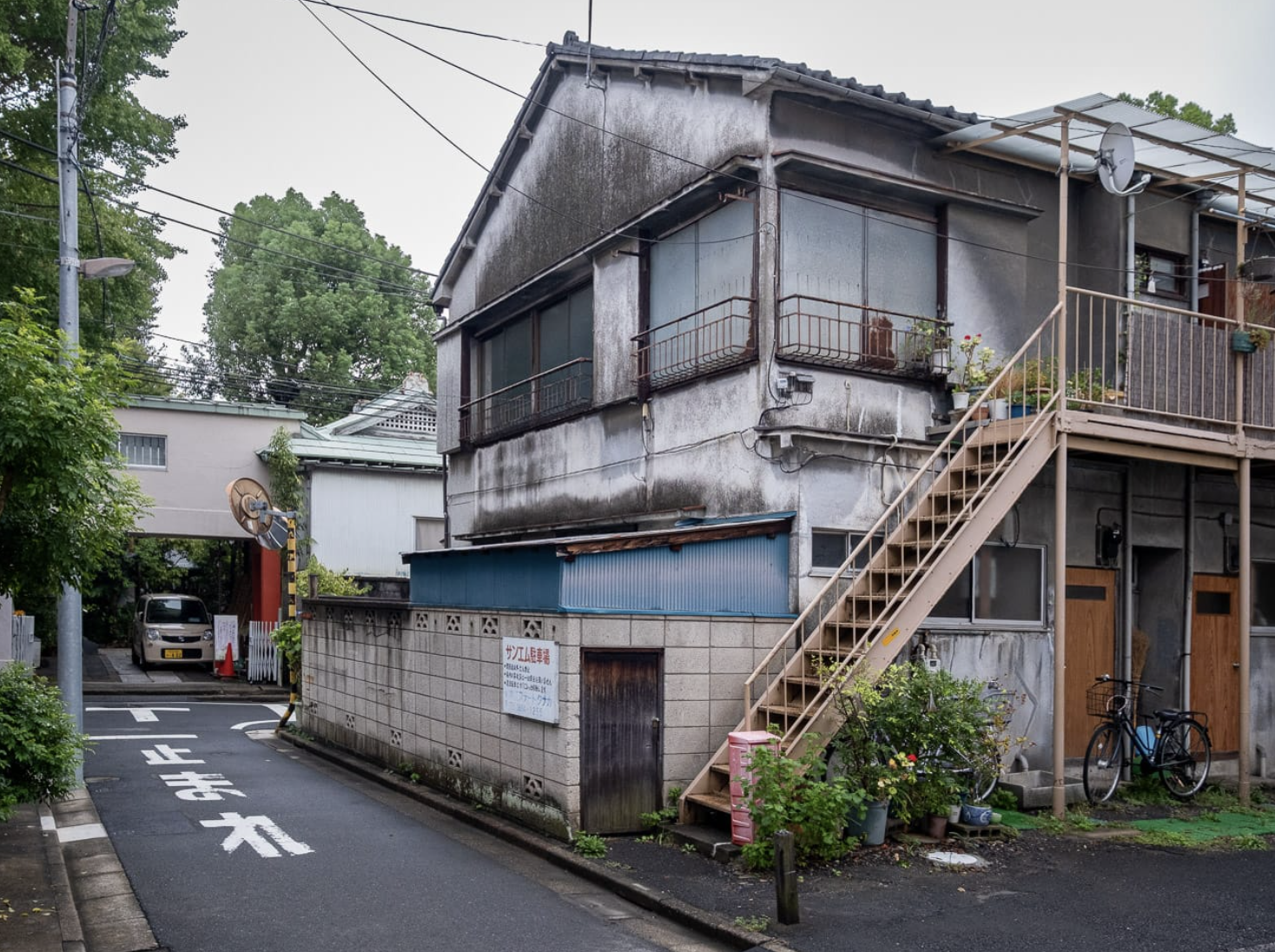
 Tokyothèque