
For an ultra-walkable city, Tokyo can feel short on places to rest freely. But at neighbourhood scale, it has a habit of offering small, seemingly anonymous acts of kindness to walkers. They might take the form of a chair left where somebody may need it, a tiny pocket park made for adults as much as children, or a shaded path free from either traffic or commerce.
A resting point of our own is starting to come into view as Neighbourhoods: Volume Two edges toward completion. So, this week, we are taking a rest from the newsletter and sharing three of the book’s more restful milestones instead.
Furari Red Chairs
ふらり赤い椅子
A volunteer seating project bringing rest to Asagaya’s backstreets.
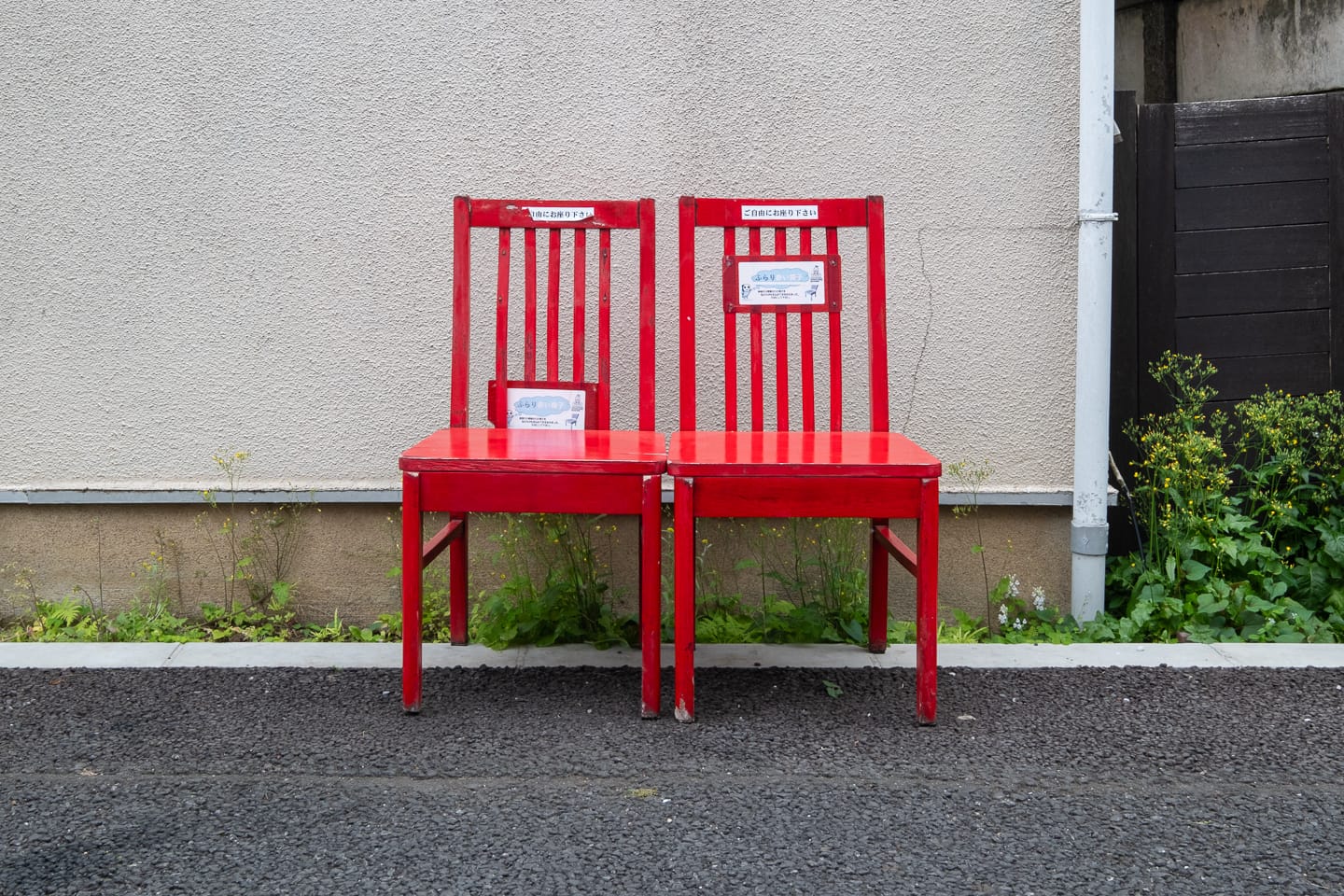
We are walking through the quiet backstreets of Asagaya when two bright red chairs appear neatly to the side of the street. Small laminated hiragana cards read ‘please feel free to sit down’. We take the invitation, resting for ten minutes as the occasional resident passes by. Chairs like these appear throughout Asagaya courtesy of a group of volunteers known as ‘The Wandering Red Chair Project’, part of the wider ‘Furari Asagaya’ initiative.
Furari suggests casually dropping by or wandering in, encouraging those on foot, like us, to stop and rest. Each wooden chair is donated, sanded, painted and varnished before being thoughtfully placed within the ward. Built by the neighbourhood, for the neighbourhood, the project feels representative of a certain Asagaya ethos.
Hanamomiji Park
はなもみじ公園
A pocket park offering pressure point relief to tired walkers.
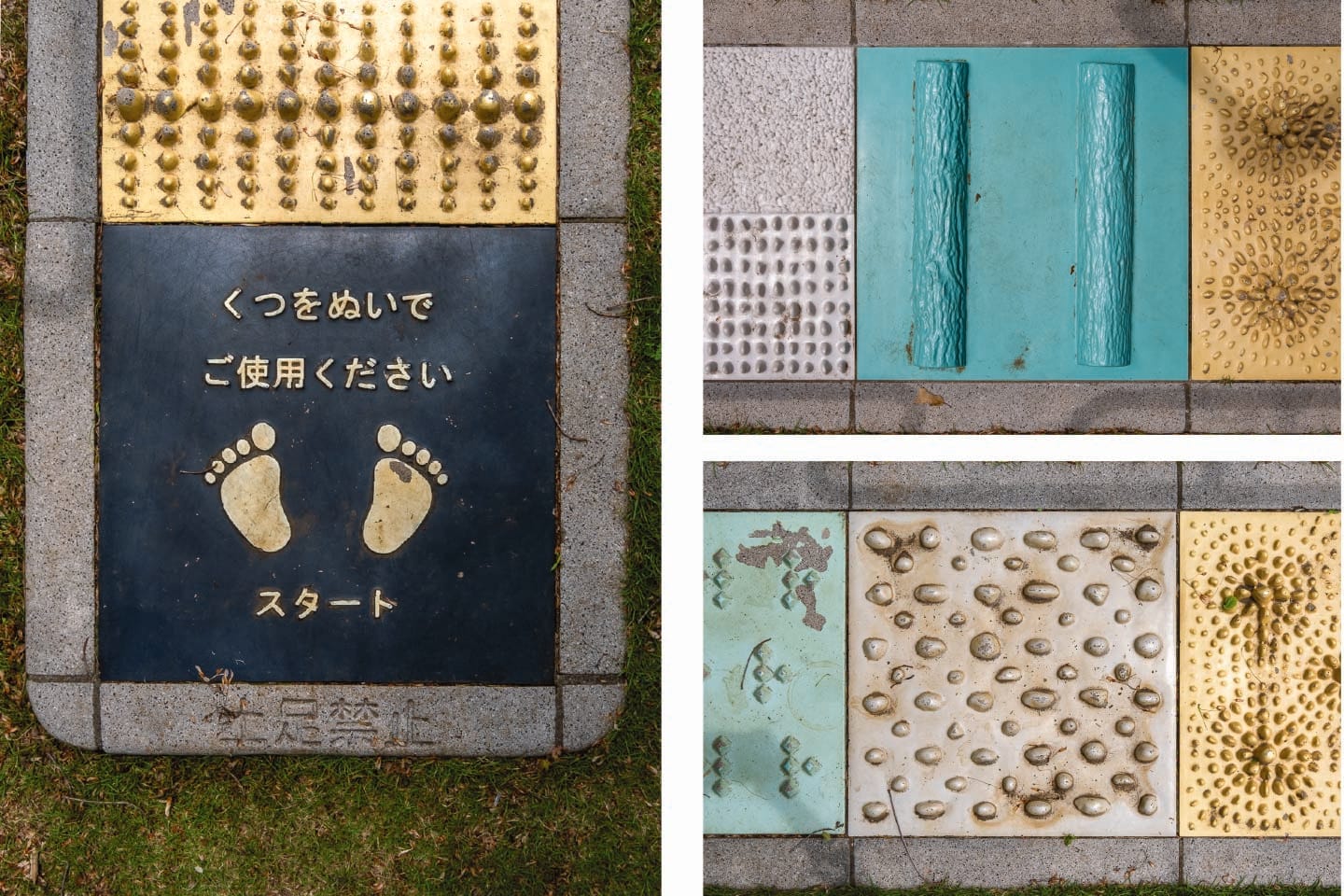
In the far reaches of Kitamachi, we happen upon a quaint pocket park, ideal for some respite and a chance to finish our choco-pan. Laid across the lawn is an unusual feature: a narrow path of colourful square slabs, each with a different pattern. It is an acupressure walkway, its tiles set with protruding pebbles designed to massage bare feet in different ways. Having walked a long way from Mitaka Station, we find it a welcome relief.
The walkway sits among otherwise standard playground equipment and benches—a small kindness from the neighbourhood to wayfaring strangers. We spend a while walking back and forth, stimulating the pressure points on our soles, before continuing towards the edge of the city.
Momozonogawa Greenway
桃園川緑道
A buried river returning to the surface as neighbourhood greenery.
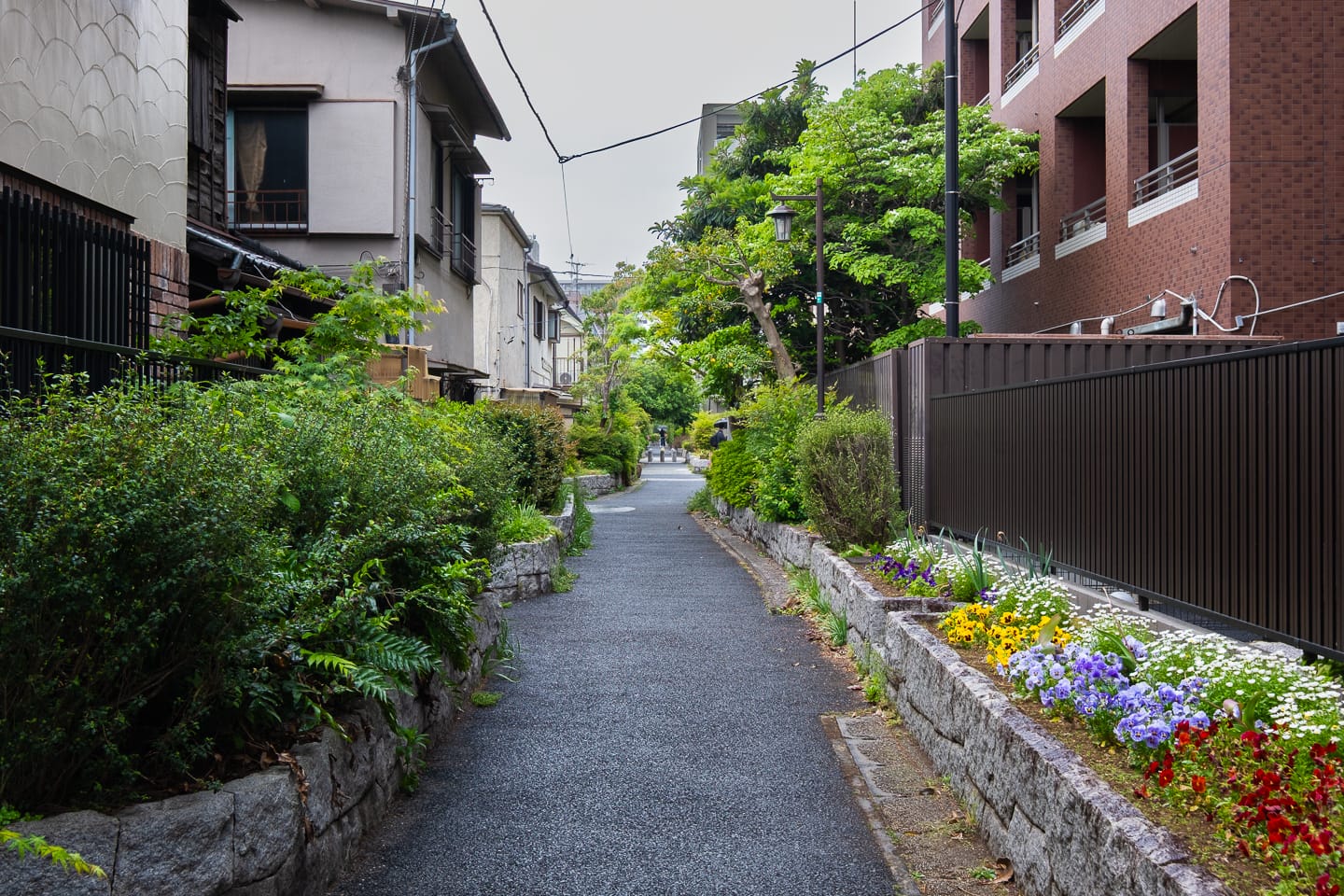
Momozonogawa Greenway cuts neatly across the Kōenji Pal–Look shopping axis, briefly offering greenery, residential life and a pedestrian route largely free of commercial frontage. Its course follows the former Momozono River, which flowed from Amanuma through Asagaya and Kōenji before joining the Kanda River. Once used to irrigate surrounding farmland, the shallow river became prone to flooding and pollution as the neighbourhoods urbanised, and was culverted in the 1960s. Its course now survives as a long, narrow greenway. Turn off the arcade and within a few steps you are walking quietly between the backs and fronts of people’s homes.
◐
Wherever you find yourself this Sunday evening, do get a little rest yourself.
Until we meet in neighbourhood Tokyo,
AJ
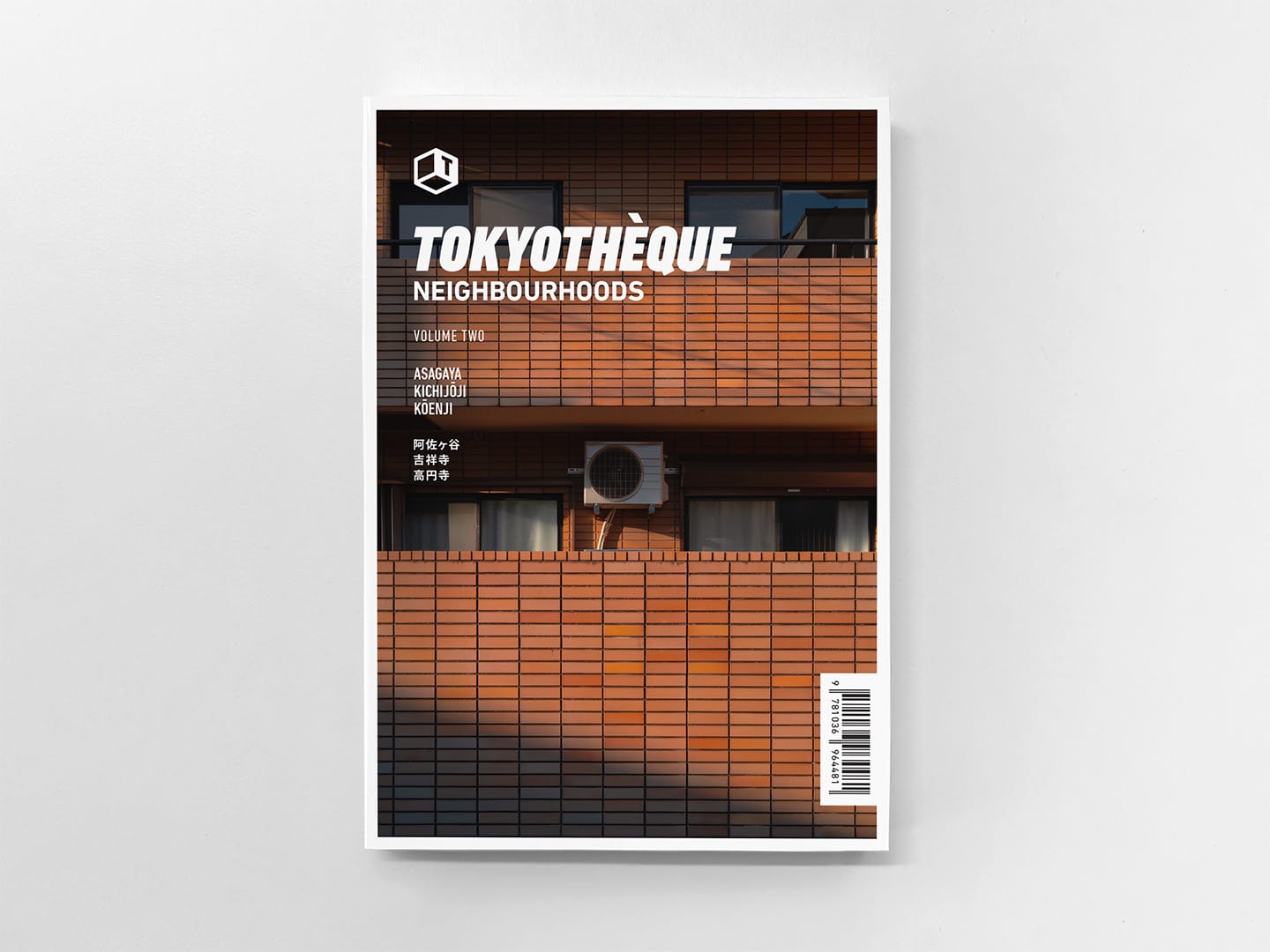
Volume Two pre-orders remain open for the next two weeks. Every pre-order will be individually numbered and signed with the earliest orders tended to first.
Each order that comes in while we’re working on the book gives us a personal lift. It is also a vote of confidence in the future of Tokyothèque: a small independent publisher that hopes to be doing this for a long time yet.